



Mission Blue

Inspiring Action to Explore and
Protect the Ocean

If we fail to take care of the ocean,
nothing else matters.

ADDISON FISCHER, TED, 2009

Message from
Dr. Sylvia Earle

Founder and President

Dr. Sylvia Earle

I had not met Addison Fischer before he approached me following the talk I gave when I received the TED Prize in February 2009 and made a wish “big enough to change the world”. The wish?

I wish you would use all means at your disposal films! expeditions! the web! new submarines! to create a campaign to ignite public support for a global network of marine protected areas, Hope Spots large enough to save and restore the blue heart of the planet.”

That same week, Google launched on Google Earth the first version of “Google Ocean”  based on newly released sea floor data from the U.S. Navy and showcasing 10 “Hope Spots” where it was possible to “dive in” and explore beneath the surface with vivid videos produced by the National Geographic Society.  

Now, in 2025, more than 165 Hope Spots are in place with a  growing number of regional alliances, cross-cutting interests, and enhanced collaboration among the Hope Spot champions, partner organizations and related institutions — truly a Network of Hope.

Meetings this year in two very different parts of the ocean reflect the importance of protecting places that remain mostly wild coupled with actions to restore seriously degraded areas.

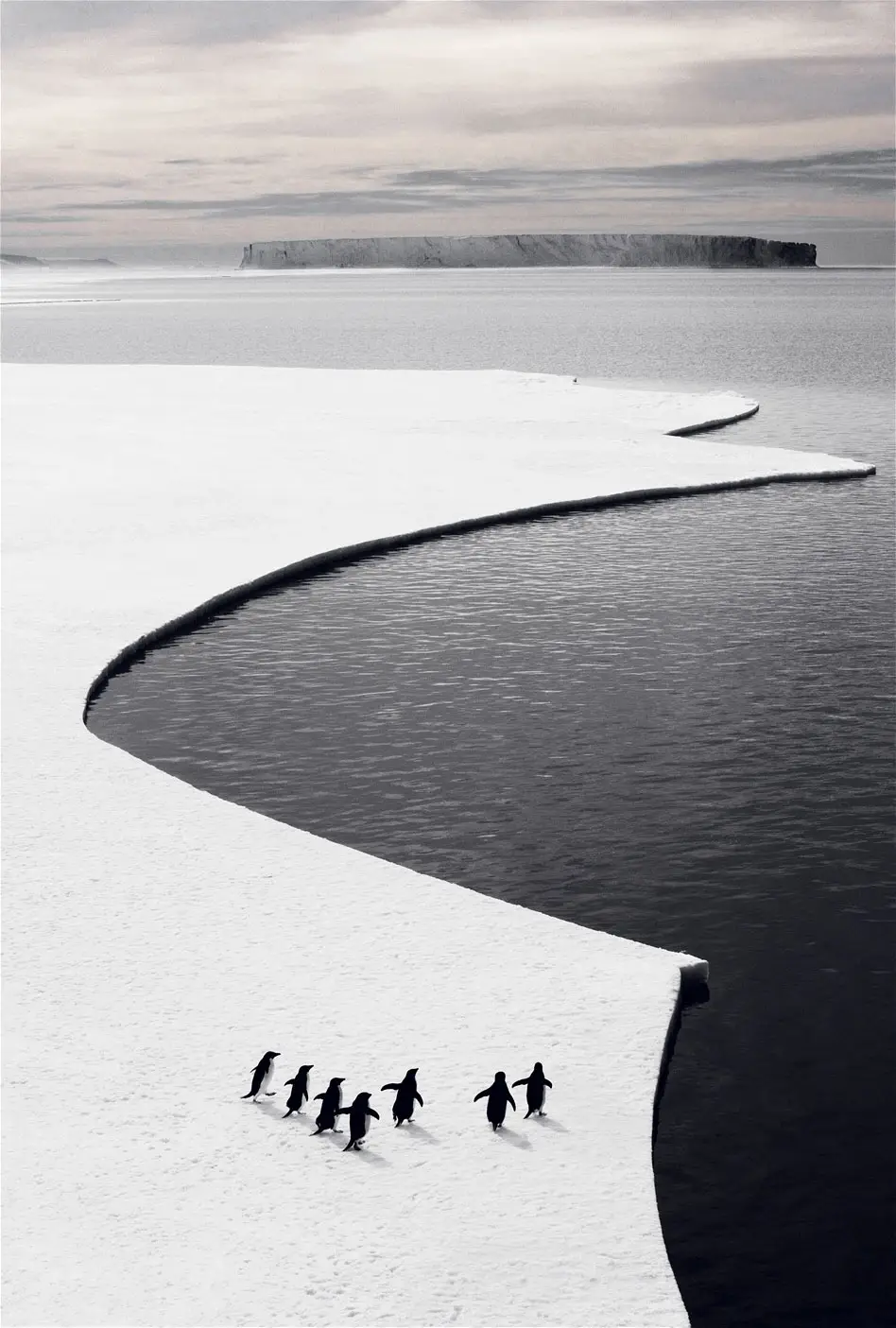
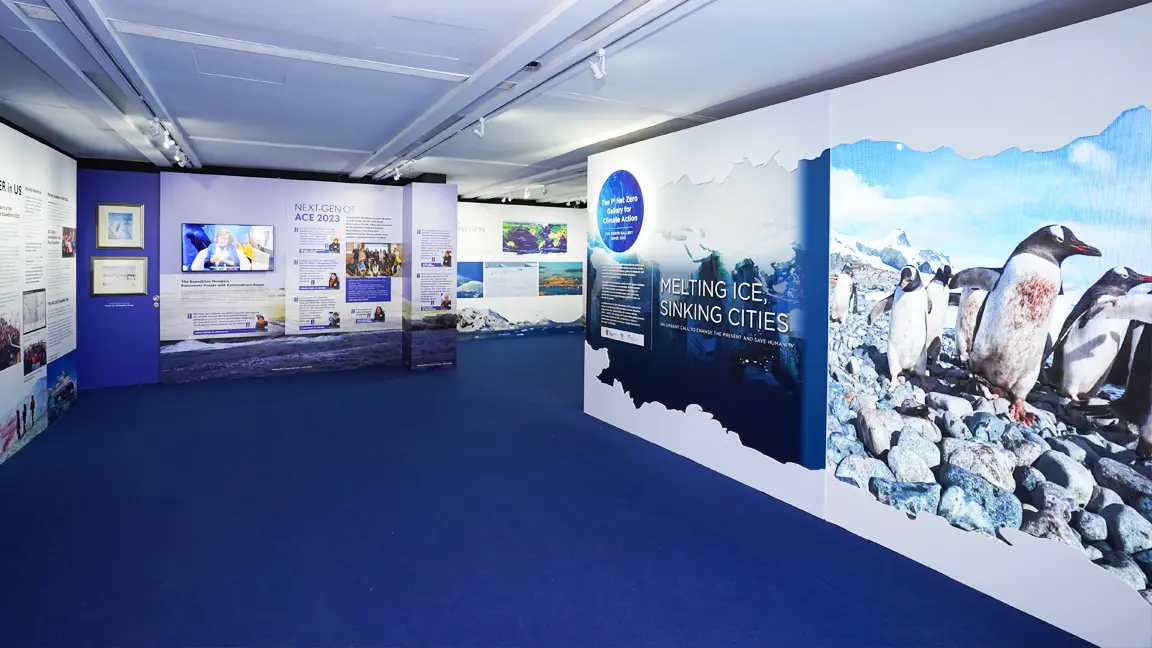
First, Mission Blue was well-represented aboard an Aurora Expeditions visit to Antarctica organized in collaboration with Ocean Geographic. A select group of musicians, scientists, artists, policy experts, business leaders, philanthropists and young activists explored melting landscapes, documented wildlife and deliberated about climate problems and solutions. High priority was given to the need to scale up protection of the wilderness waters around Antarctica, the High Seas and deep sea regions, areas critical to maintaining Earth’s critical life support functions.

An example of the second priority — restoration of a degraded system — the Shinnecock Bay Hope Spot — was celebrated. Noted by UN Secretary General Giuterrez as an example of collaborative action yielding positive results, Shinnecock Bay’s champions led by Dr. Ellen Pikitch, Stony Brook University, the Explorers Club and the Shinnecock Nation, worked together to return thriving populations of hard clams, Mercenaria mercenaria, to the bay during ten years of concerted science-based actions. Filtration of the bay’s brown water by the clams has cleared the way for sunlight needed for seagrasses to recover, and in so doing is restoring an oxygen-rich habitat and shelter for numerous young fish and invertebrates.

While not pristine, the health of the bay has significantly improved with obvious benefits for people — and clams.

With barely 3 percent of the ocean highly or fully protected, the goal of securing at least 30 percent by 2030 will require doubling-down to reach the urgent protection and the existence of life as we know it.

Mission Blue is doing just that, with a message of hope — leading to action — across the planet.

We invite you to join us.

Dr. Sylvia A. Earle

© JOEL PENNER

This is the sweet spot in time.

As never before — and maybe as never again — there is a chance to protect the natural living systems that keep us alive.

DR. SYLVIA EARLE

Our Mission —
Our Vision

To protect the ocean
as if our lives depend on it.
Because they do!
Mission Blue motivates individuals to discover and safeguard the ocean, enhancing public consciousness and catalyzing tangible conservation achievements globally via:

  1. Designation of Hope Spots
  2. Scientific Expeditions
  3. Policy Initiatives
  4. Global Public Outreach

Our goal is to establish protection for at least 30% of the ocean by 2030.

This includes a comprehensive network of marine protected areas and reserves that ensure the protection of wildlife, bolster climate resilience, and allow healthy biodiverse ecosystems to flourish.

30%
Of Ocean Protected by 2030 — At Least !

In 2024, we progressed towards this goal by introducing 13 new Hope Spots, spanning critical ecosystems from the Arctic to Antarctica.

Our communication and social media strategies grew to over 1.2 million followers, fostering a culture of ocean conservation. Through scientific expeditions, we identified and assessed ecosystems and species, pinpointing new areas for protection.

Strengthening partnerships with businesses, governments, and non-profit organizations, we helped to advance policy pledges on a global scale.

Followers on Social Media
0 million

To this date, Mission Blue launched 165 Hope Spots covering 58 million km2 of ocean.

Despite these efforts, only 3% of the ocean currently has significant protection, and the looming threat of rapid climate change and other human impacts jeopardizes even this small fraction. 

Mission Blue is resolutely taking action to shift decline to recovery by  expanding public awareness and securing increased legal protections for the ocean.

3%
Of The Ocean Currently Has Protection — Only !

© KIP EVANS

Everyone has power.

But it doesn’t help if you don’t use it.

DR. SYLVIA EARLE

Our Impact

Hope Spots —
One Shared Mission,
Many Grassroots Champions
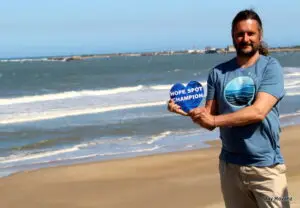
A Global Network of Hope Spots

In 2024, Mission Blue’s global network of Hope Spots continued to inspire and drive meaningful ocean conservation efforts around the world.

From the warm waters of the Caribbean to the icy expanse of Antarctica, our Champions worked to protect and restore vital marine ecosystems.

The designation of new Hope Spots, such as the Greater Skellig Coast in Ireland, Saba and the Saba Bank in the Caribbean, the East Antarctic, and the Pearl Islands Archipelago in Panama, served to highlight the ecological importance of these areas and galvanize support for their long-term protection.

Featured Hope Spots

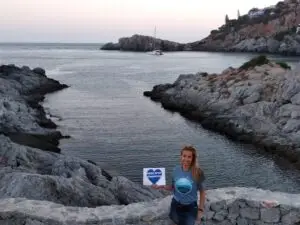
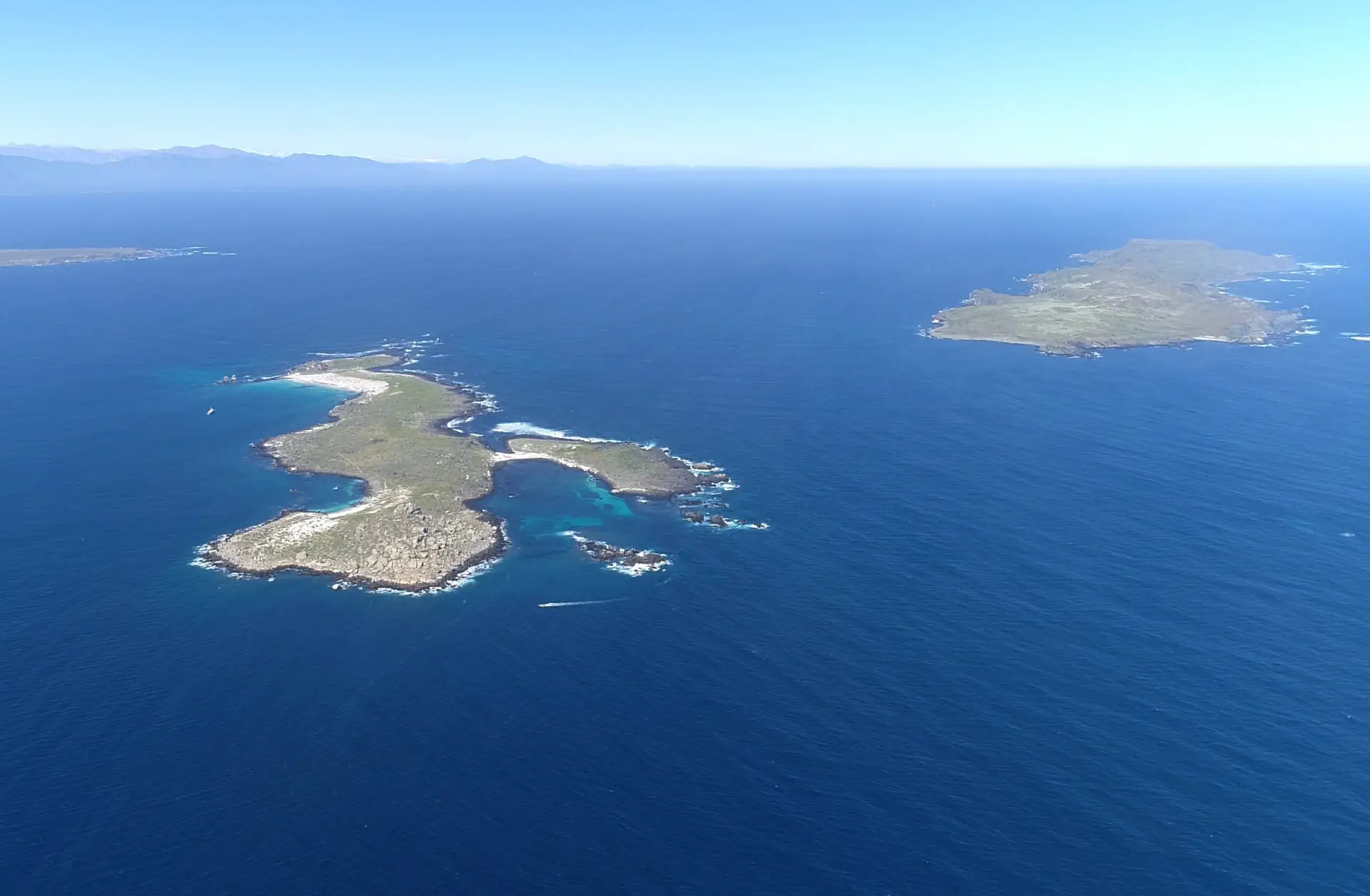
Humboldt Archipelago
False Bay
Pangatalan Island

In 2024, 13 new Hope Spots were added, from Iceland to Antarctica. The global network now spans over 165 sites worldwide.

The Humboldt Archipelago in Chile, False Bay in South Africa, and Pangatalan Island in the Philippines are examples of recent success.

To learn more, click on the images of the three featured Hope Spots highlighted here:

Throughout the year, our Hope Spot Champions made significant strides in their conservation efforts.
In Costa Rica’s Golfo Dulce Hope Spot, Misión Tiburón worked to protect key mangrove habitats that serve as critical nursery grounds for endangered shark species.

And in Brazil’s Cagarras Islands Hope Spot, Dr. Sylvia Earle’s visit helped to inspire a new generation of ocean advocates and underscore the importance of preserving this unique marine environment.

Mission Blue also played a pivotal role in the designation and expansion of Marine Protected Areas across the globe.

From the approval of the Humboldt Archipelago Multi-Use Marine Coastal Protected Area in Chile to the expansion of MPAs in the Galápagos Islands, Colombia, Portugal, and Uruguay, our organization worked alongside partners to secure lasting protections for some of the world’s most precious marine habitats.

As we look to the future, we remain committed to our goal of safeguarding at least 30% of the ocean by 2030, and we will continue to support and empower our ever-growing network of Hope Spot Champions in their efforts to defend the blue heart of our planet.
30%
Of Ocean Protected by 2030 — At Least !

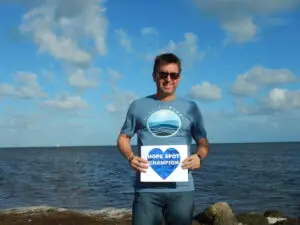
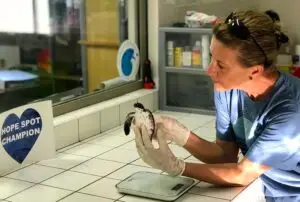
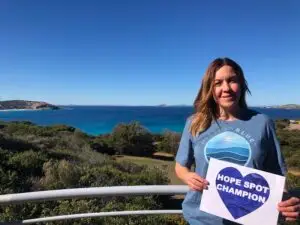
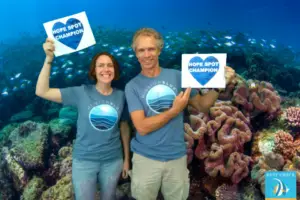
Across all Hope Spots, our Champions make conservation victories possible through their committed local leadership.
Mission Blue provides support, led by The Hope Spot team, Dan Laffoley, Shannon Rake, and Louise Baldwin, through workshops, strategy meetings, and highlighting achievements.

Champion Statements

By The Numbers


Hope Spots
0
Square Km of Ocean
0 M
Alliance Partners
0 +
Hope Spot Expeditions
0
Social Media Followers
0 M
Countries
0

© MEG BURKE

Far and away, the greatest threat to the ocean, and thus to ourselves, is ignorance.

But we can do something about that.

DR. SYLVIA EARLE

Successes and
Future Efforts


In 2024, Mission Blue continued spearheading crucial efforts to advance ocean conservation policy globally.

Our work supported the historic UN High Seas Treaty agreement opening for signatures. This hard-won multinational pact represents substantial momentum towards more extensive legal protections for marine zones beyond national jurisdiction. 

Mission Blue was well represented at the United Nations Ocean Conference, advocating for ambitious science-based ocean action in the UN’s post-2020 Global Biodiversity Framework. 

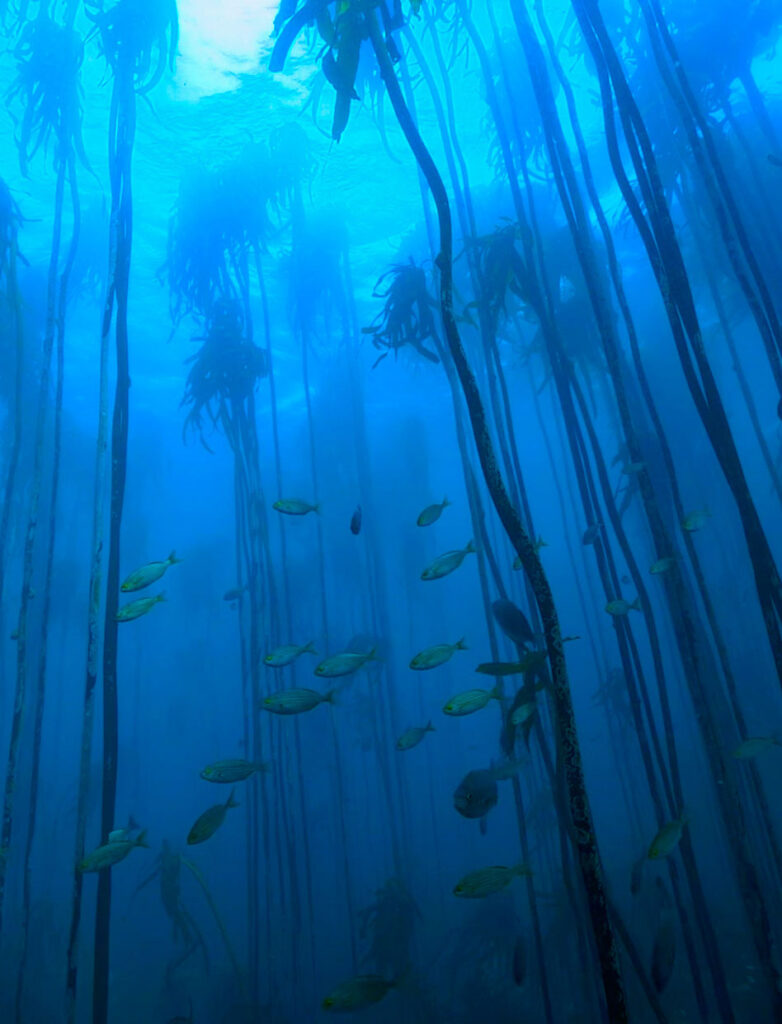
Max Bello, Policy Director for Mission Blue, organized an expedition with partners to survey the rapidly changing Patagonian fjords, and to focus global attention on the urgent need for new protocols shielding Southern Ocean kelp forests.

He was joined by Sylvia for a meeting with Chile’s President, Gabrielle Boric making real headway concerning protections for the invaluable but threatened Humboldt Current.

While celebrating Chile’s recent marine conservation commitments, it is clear that stronger regional safeguards and policies are essential to preserve this singular stretch of pristine marine wilderness. President Boric expressed great interest in collaborating further towards this end.

Whether engaging world leaders or grassroots communities, our message is clear — we must not delay action if we hope to navigate towards thriving, vibrant, climate-resilient oceans across at least 30% of the planet by 2030.

30%
Of Ocean Protected by 2030 — At Least !

Mission Blue celebrated many meaningful marine conservation victories:

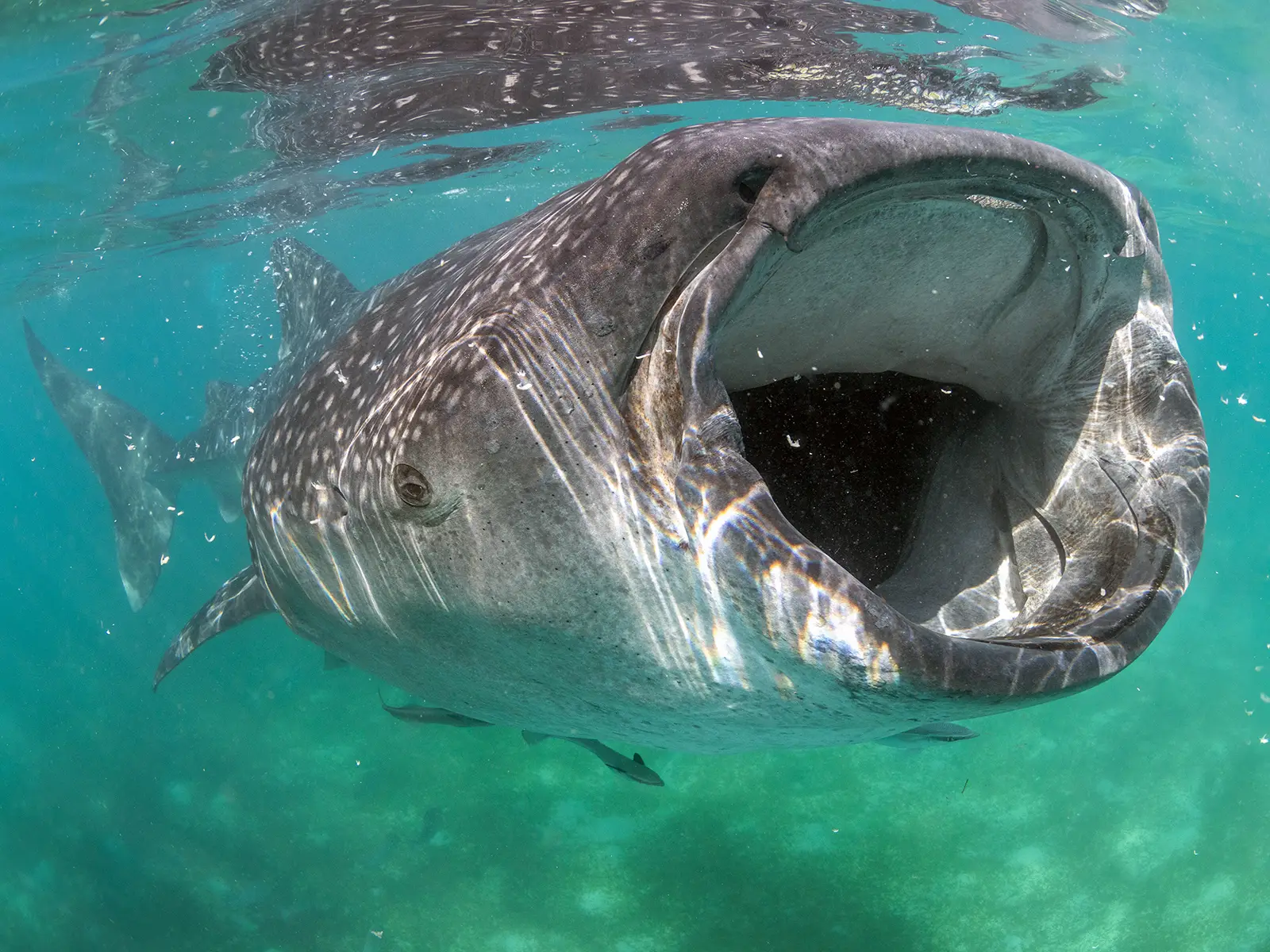
  • In the Seychelles, we assisted in the implementation of pioneering policies that will vastly expand protections for endangered shark species such as Tawny Nurses, oceanic White Tips, and the enigmatic, plankton-munching Whale Sharks. Populations are starting to stabilize in these island waters after being dangerously overfished.
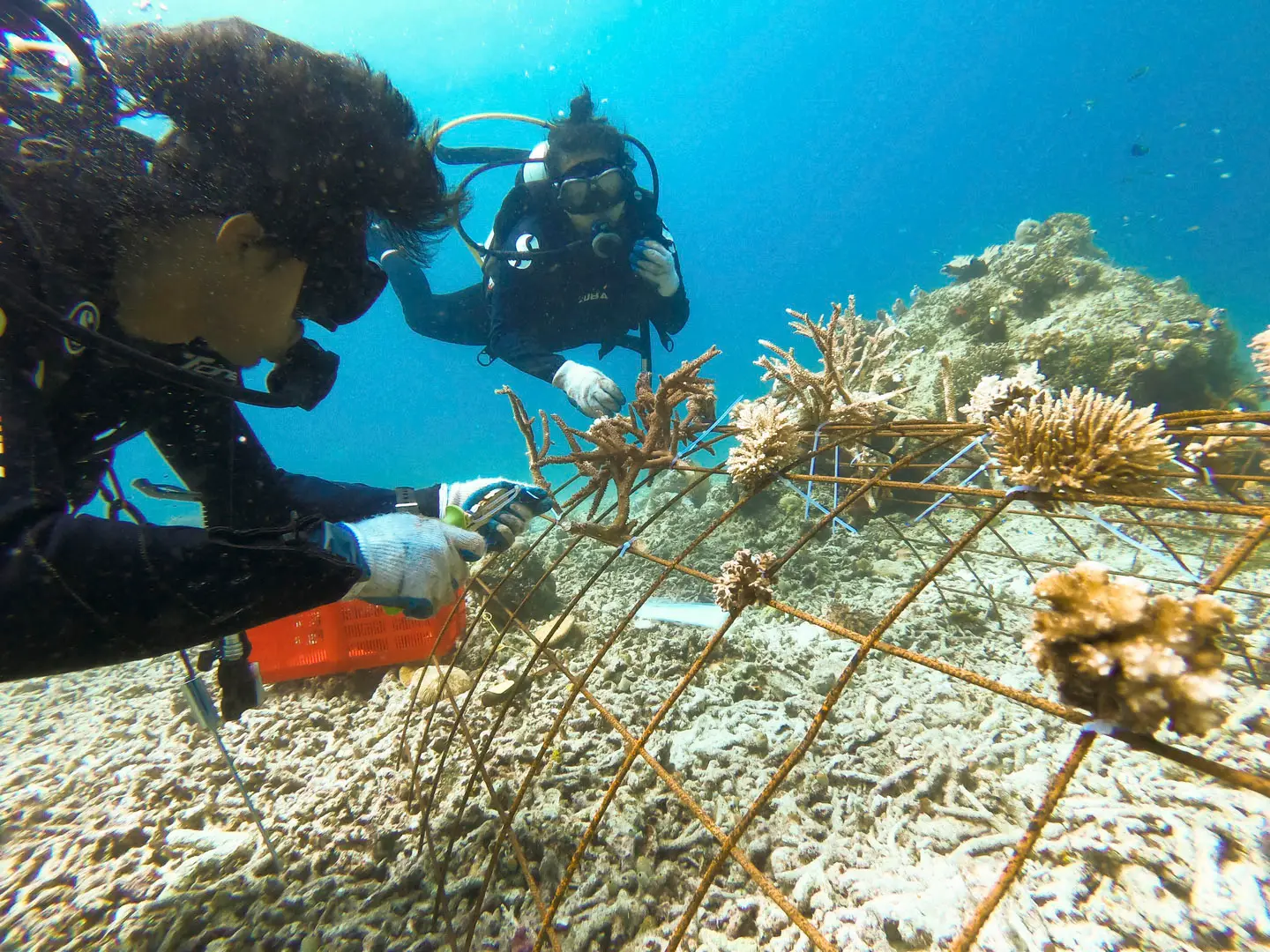
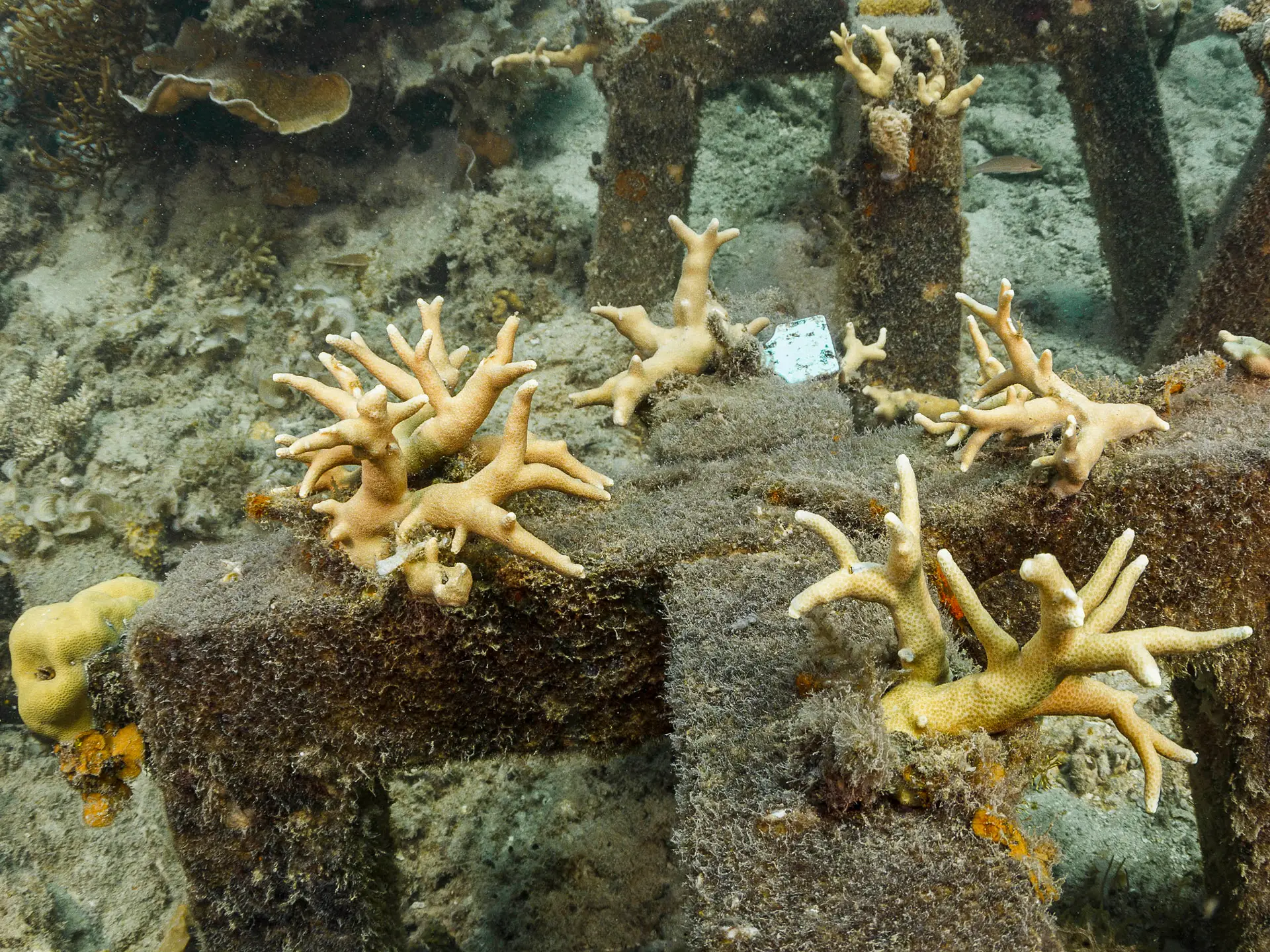
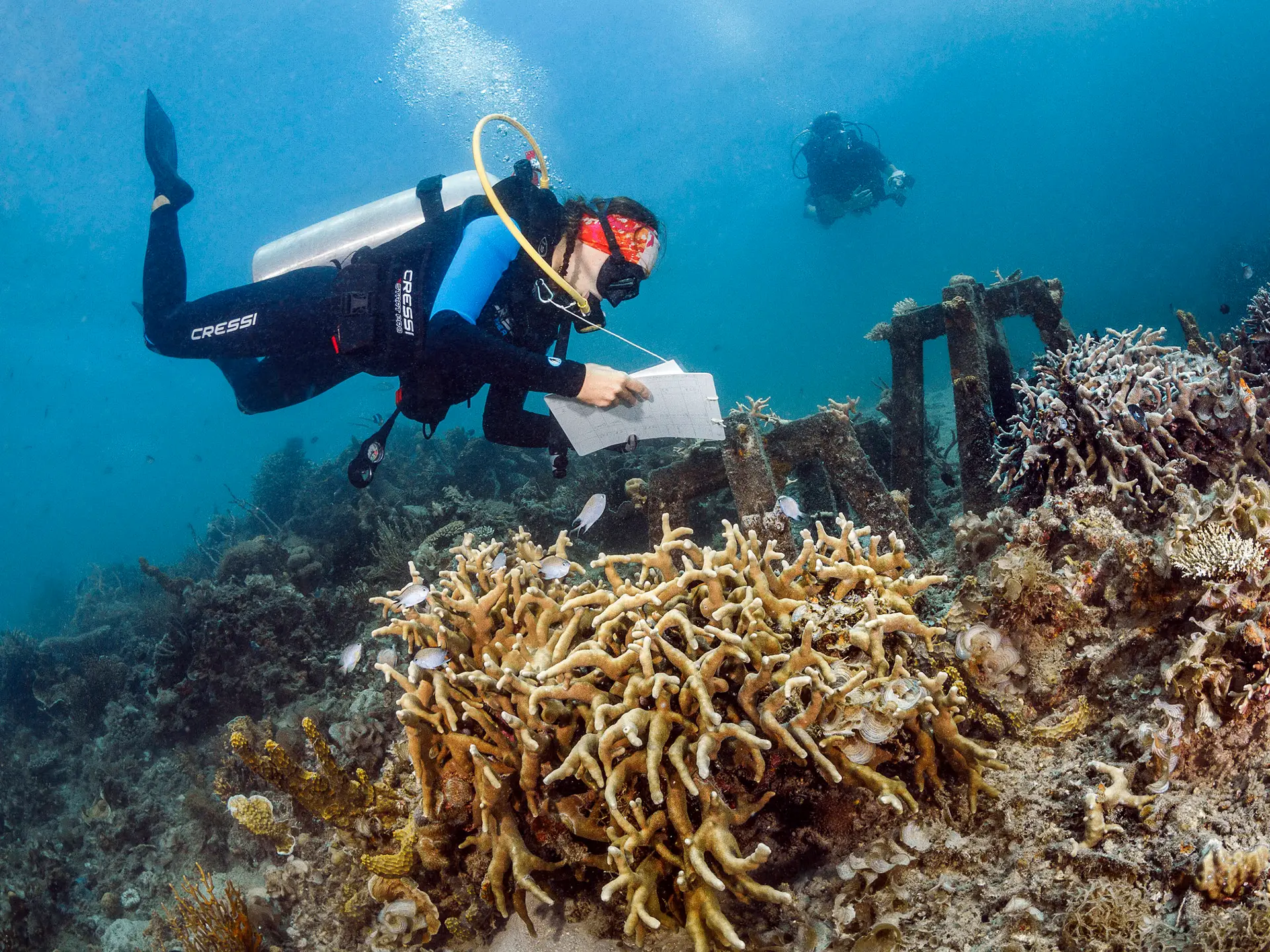
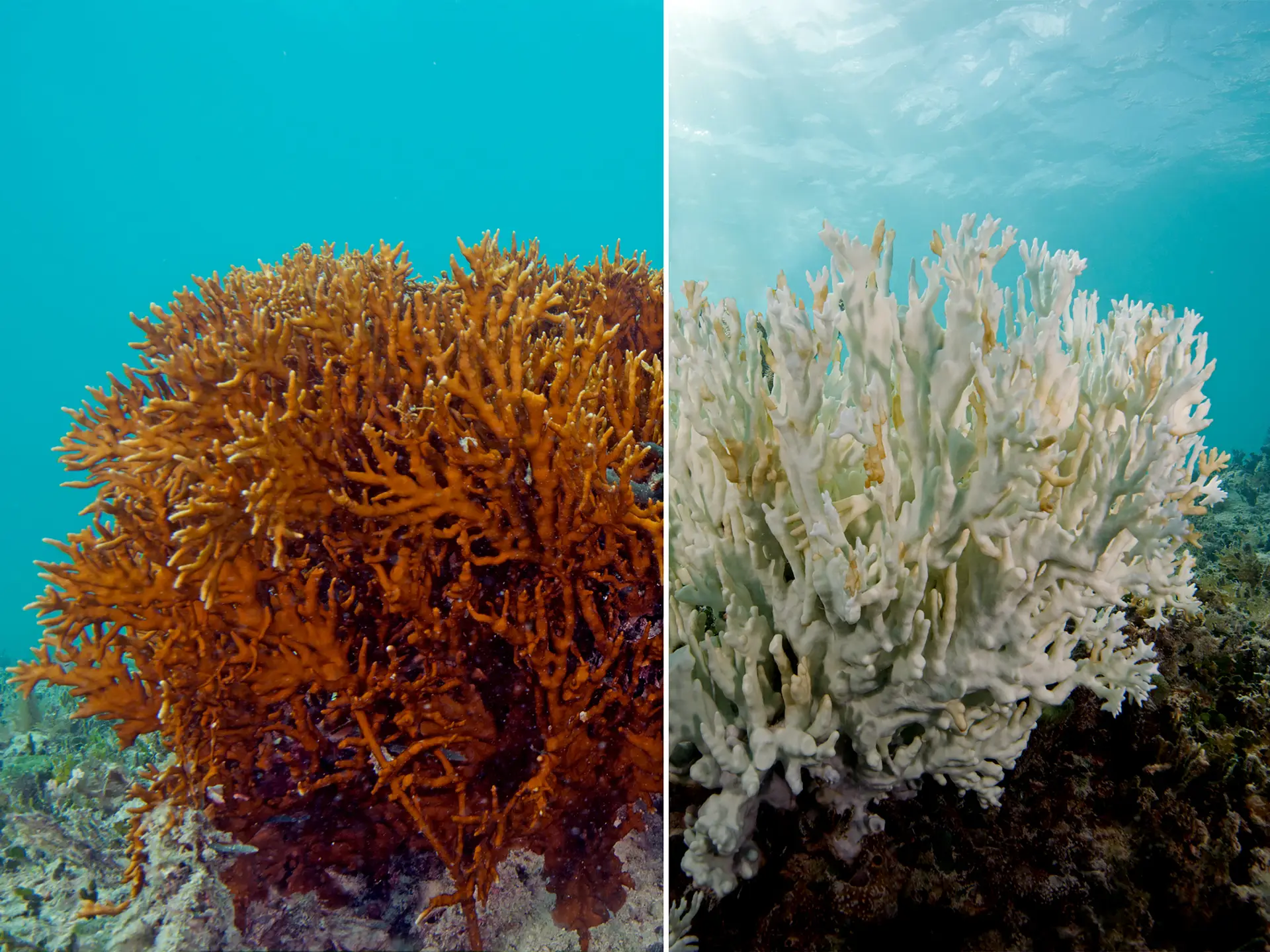
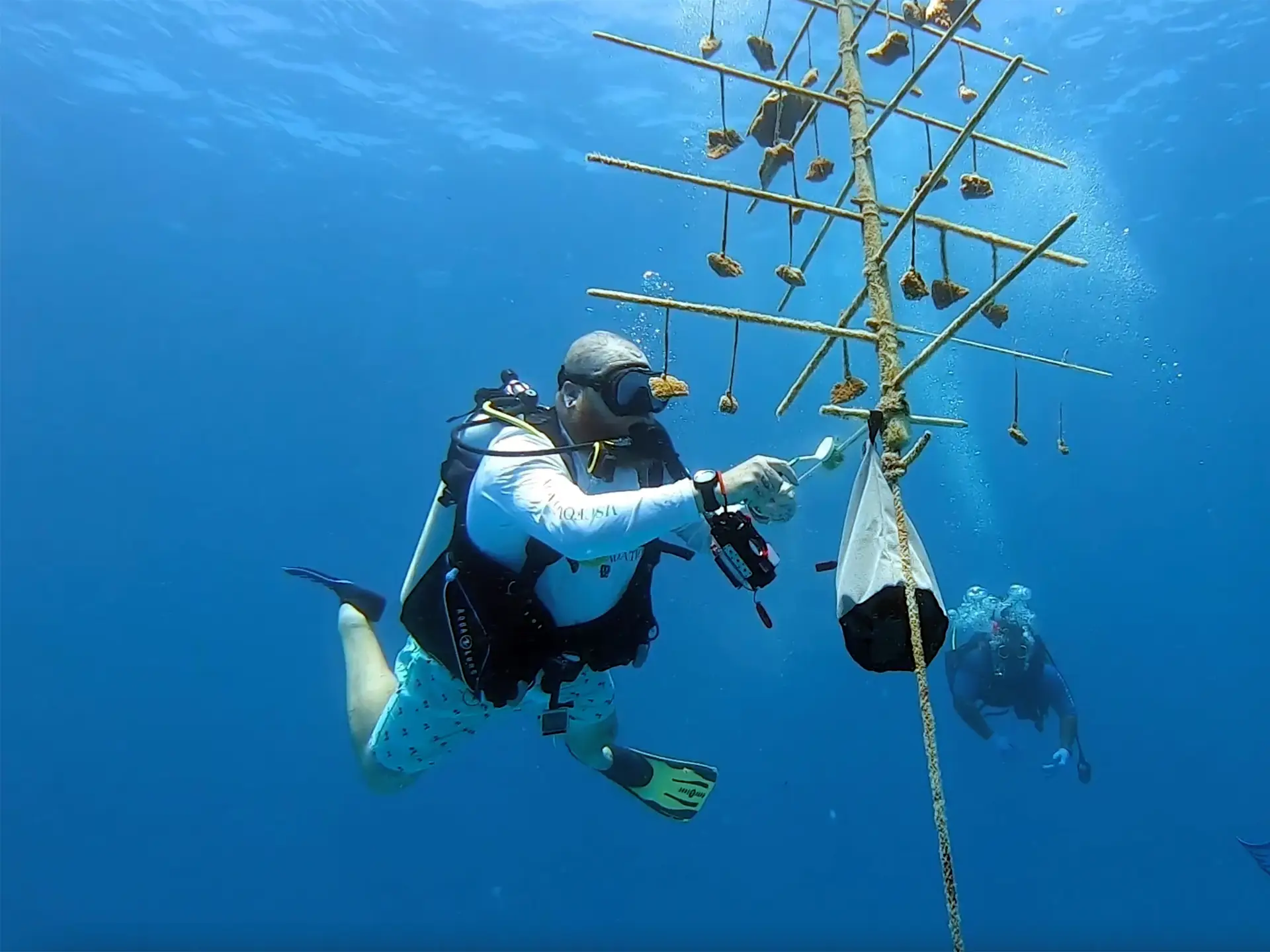
  • In vibrant reef systems from Indonesia to the Bahamas, restoration work continues to pay dividends. Over 2500 transplanted corals are regaining vigor after bleaching events thanks to novel probiotic approaches. Early trials of conservation “gardening” specific heat-resilient species also show promise in future-proofing fragile tropical habitats against warming impacts to come.
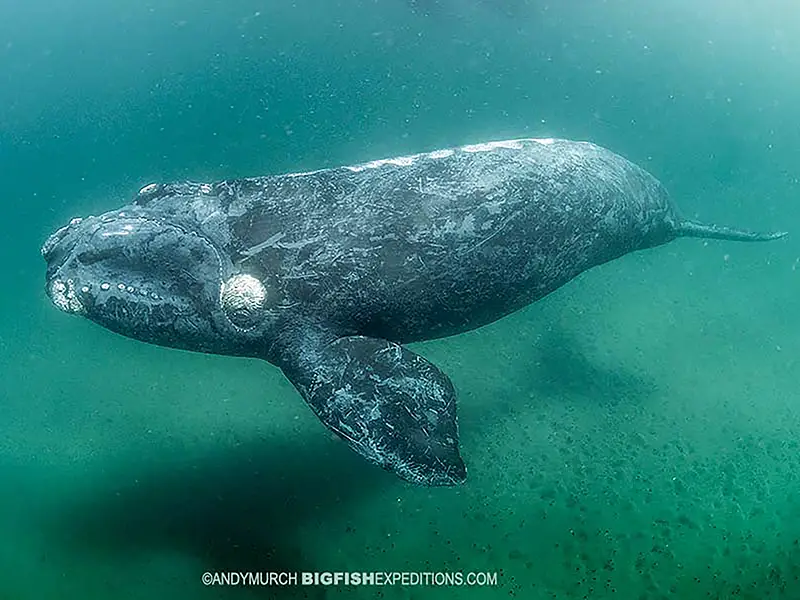
  • There is also progress in safeguarding the critically endangered North Atlantic Right Whale. New AI-assisted monitoring technologies deployed this year to listen for whale calls across vast distances, allowing real-time warnings to ships so they may steer clear of migratory routes and feeding grounds. This tech promises to significantly cut lethal collisions.

Barrage Of Human Impacts

A relentless barrage of human impacts continue to threaten hard-won gains:

  • Climate Chaos,
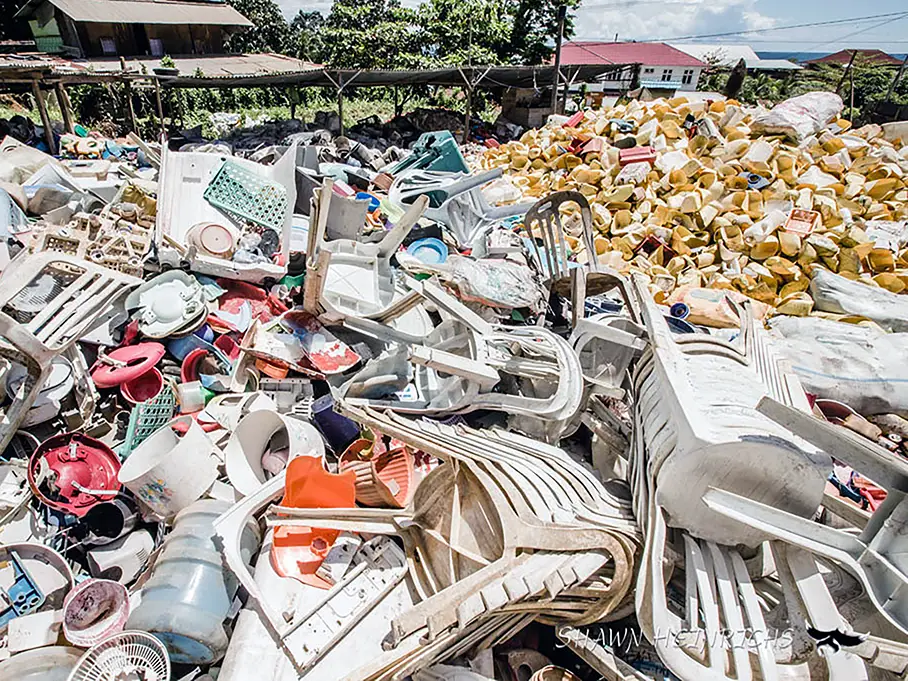
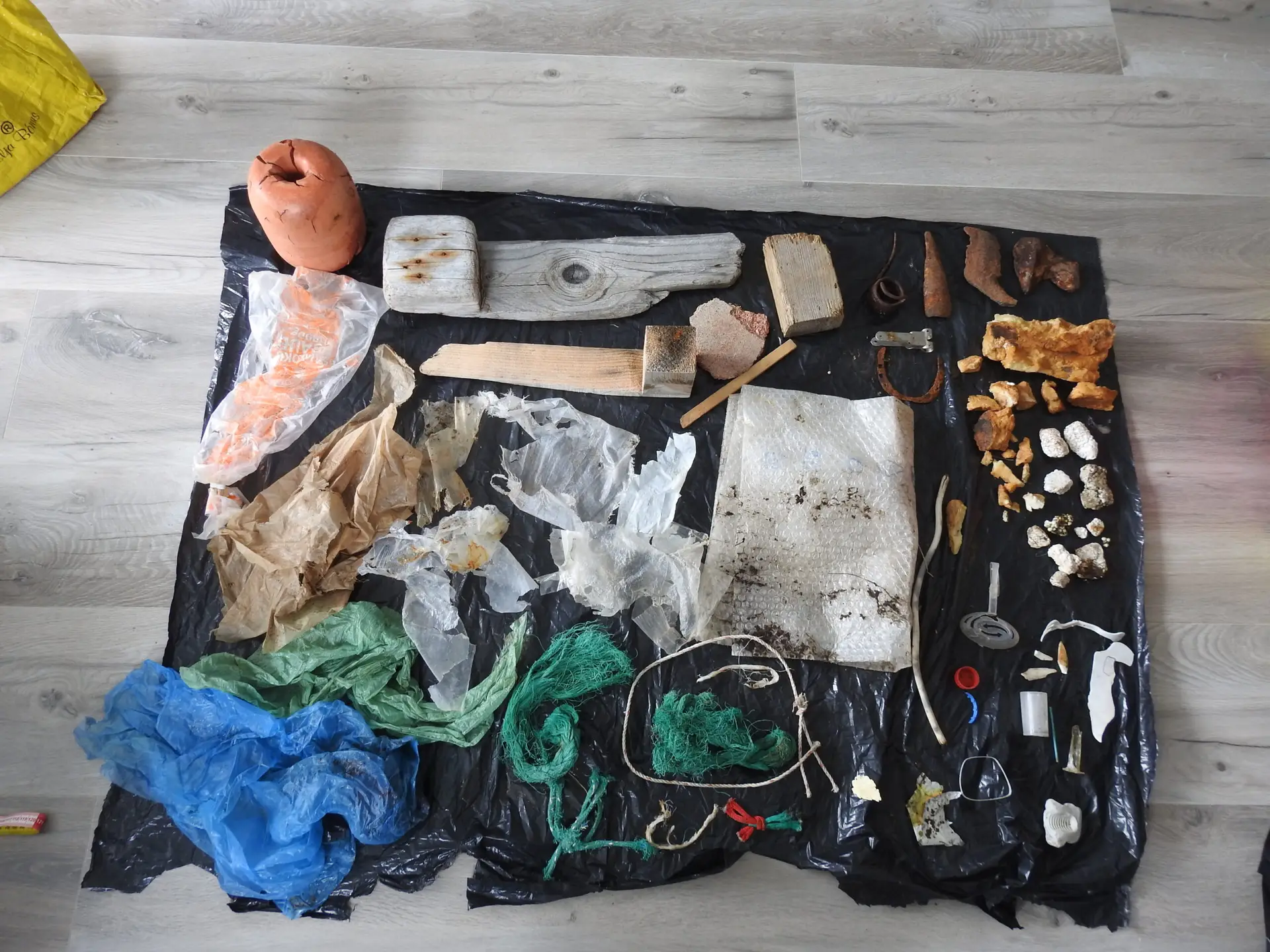
  • Plastic Pollution,
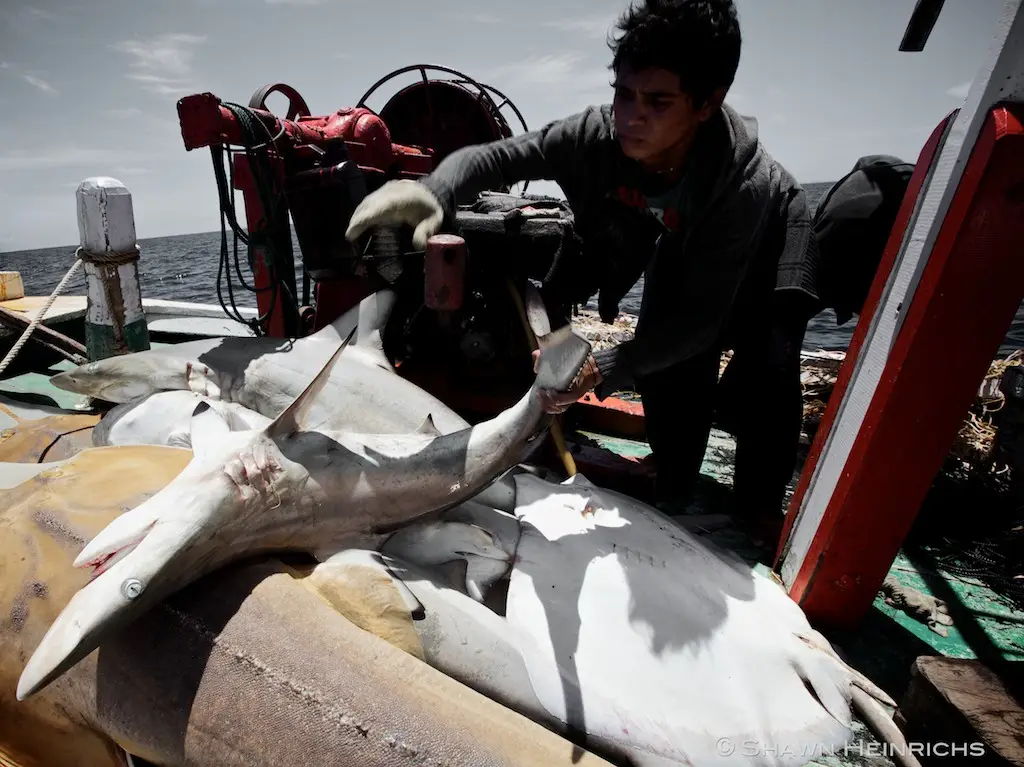
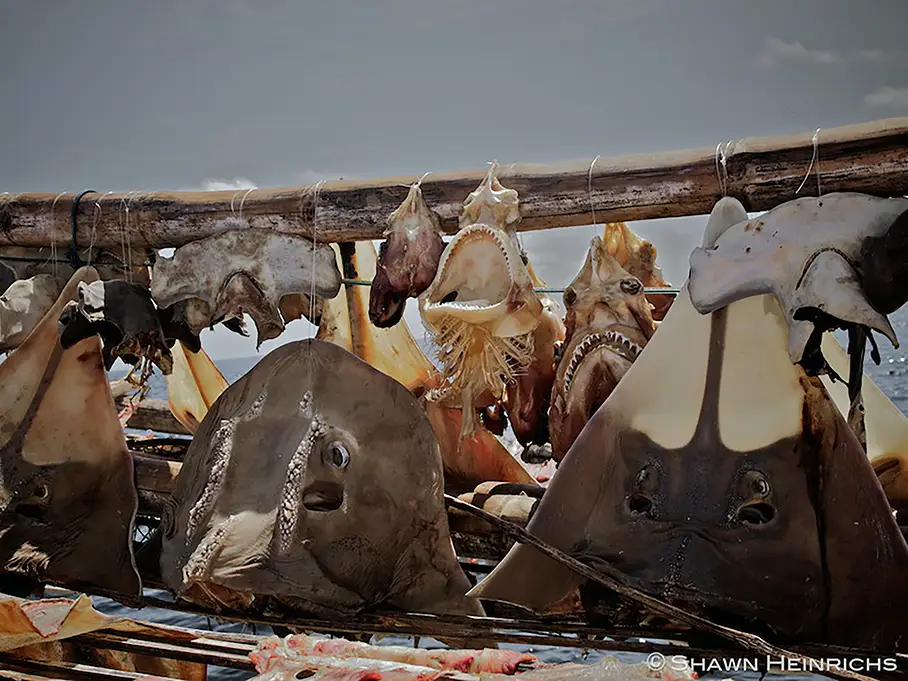
  • Unsustainable Fishing,
  • Seabed Mining,
    and more. 

We must confront these challenges with science-supported policies that protect, rather than plunder. With care, mindfulness, and understanding, a thriving blue future remains within reach.

We must remain equally dedicated advocates for science-supported policies.

We engage in policies to protect, rather than plunder, 30% of our precarious ocean systems by 2030.

Through vision, innovation, and public pressure, we can curb the most destructive industrial excesses decimating aquatic abundance.

We are looking forward to participating in a number of exciting initiatives:

  • The South Africa initiative, supported by the Plum Foundation, aims to catalyze and strengthen the South African Hope Spot Network by deepening community engagement, bolstering conservation efforts, improving information sharing, and providing strategic micro-grants. By aligning with the spirit of ‘Ubuntu,’ emphasizing the interconnectedness of individuals with their societal and physical worlds, this initiative has the potential to enhance marine conservation in South Africa’s diverse ocean habitats and serve as a model for replication across Mission Blue’s global operations.
  • The Plum Foundation will also continue to support The Mission Blue Kelp Initiative, also supported by Plum Foundation, is a Hope Spot partnership focused on the protection, recovery, and restoration of vital kelp ecosystems worldwide. Building on the success of four initial projects funded in 2023, the initiative aims to expand its scope by supporting additional kelp protection projects, leveraging the power of the Hope Spot network with an Esri-based information sharing platform, and providing data-driven decision-making and communication support.
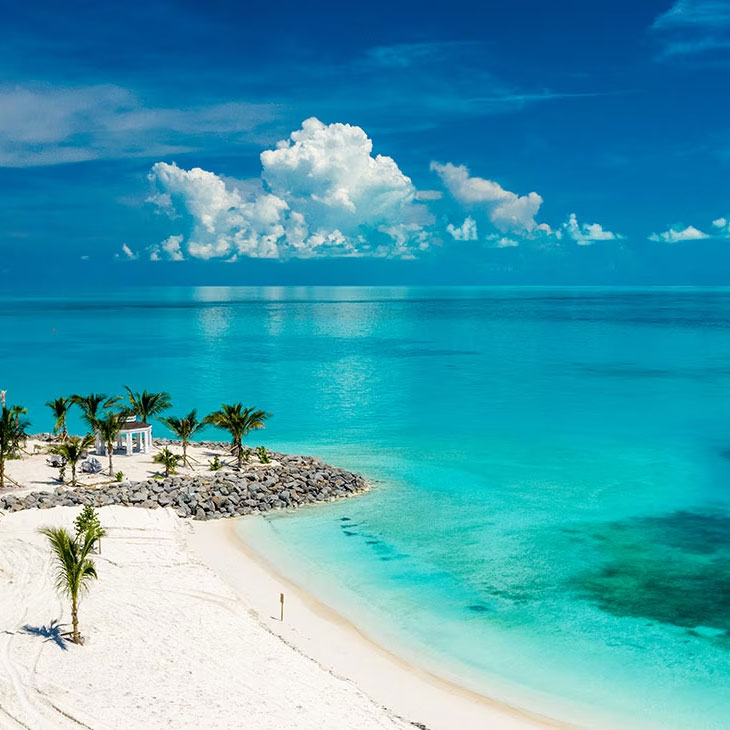
  • In 2023, Mission Blue and MSC Foundation began collaborating to advance ocean conservation and inspire global action. On World Ocean Day (June 8, 2023), the Mission Blue designated the Ocean Cay MSC Marine Reserve in the Bahamas as a Hope Spot. In 2015, MSC Cruises took responsibility for Ocean Cay and began a multi-year restoration initiative in consultation with the Government of The Bahamas as well as marine scientists and conservationists. Mr. Pierfrancesco Vago, Chair of the MSC Foundation’s Executive Committee and Executive Chairman of MSC Cruises, serves as its Hope Spot Champion. In October, 2023, Dr. Earle was announced as the Godmother of Explora I, the first cruise ship for Explora Journeys at the naming ceremony event in New York City, further solidifying the partnership and shared commitment to ocean stewardship.
  • In 2024, Mission Blue and the MSC Foundation announced a three-year partnership to collaborate on an onboard ocean literacy program for its cruise line with the potential to reach millions of passengers per year, an employee engagement program on ocean conservation with Dr. Earle for the more than 200,000 MSC Group employees, and a seagrass restoration project in the Balearic Islands, Spain. Mission Blue is deeply grateful for MSC Foundation’s generous support and looks forward to working hand in hand to protect and restore the world’s ocean.
  • The historic 2023 High Seas Treaty is open for ratification; and Mission Blue will vigorously promote unanimous support cementing these offshore protections so vital to migratory species traversing jurisdictional boundaries, as well as working to stop deepsea mining and other threats to the vast ocean that keeps earth life support system stable.

© DOUG PENN

No Water, No Life.

No Blue, No Green.

DR. SYLVIA EARLE

Scientific Research
and Expeditions


Mission Blue Expeditions

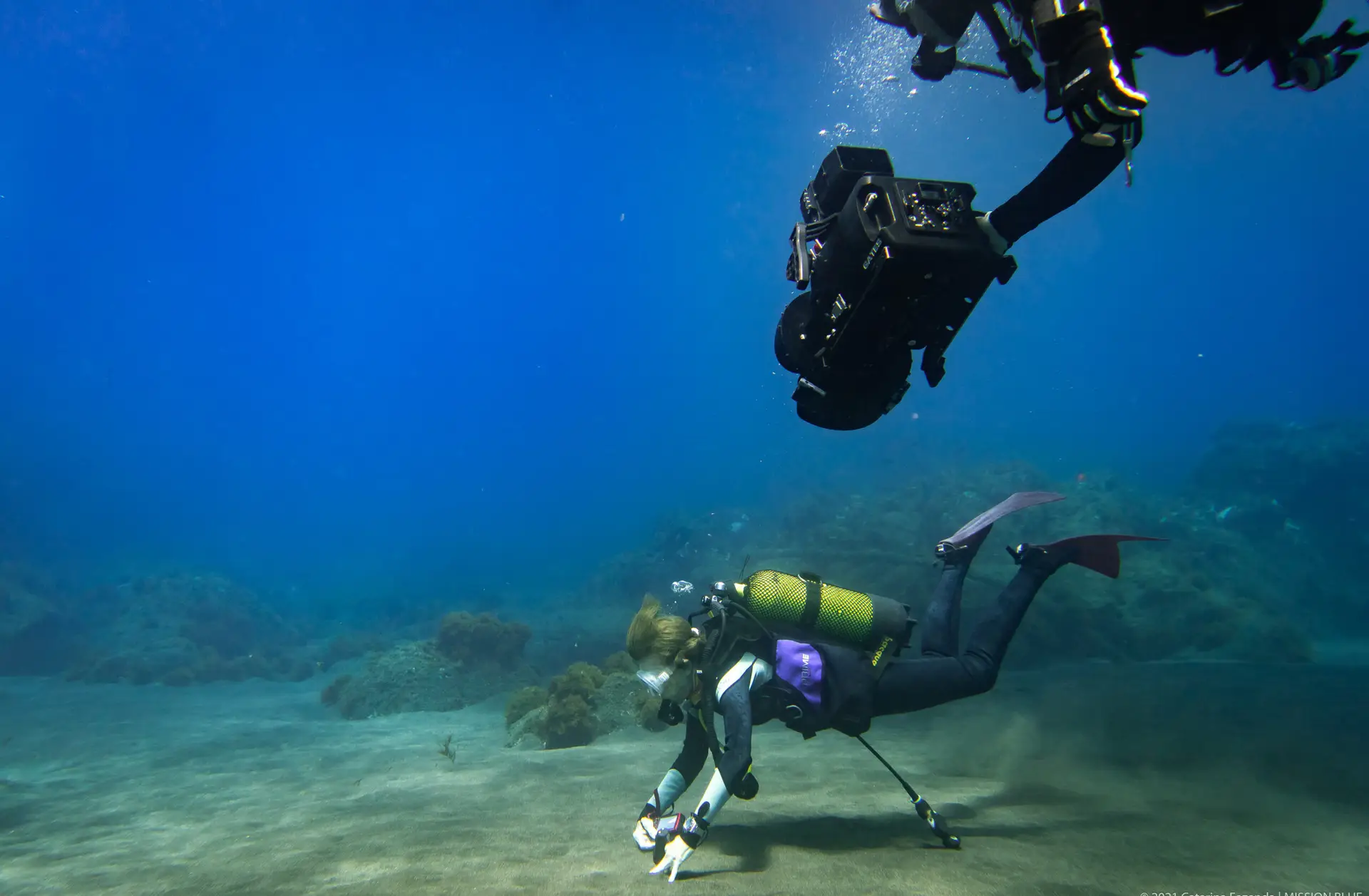
Since 2008, Mission Blue expeditions have visited Hope Spots around the world, documenting the vibrant marine environments and engaging local stakeholders to protect them.

These voyages explore our most critical ocean habitats and are designed to create awareness, foster partnerships and build broad public support for the creation of marine protected areas across the globe.

Sylvia Earle & Nuno Sá © Catarina Fazenda
  1. Explore and document Hope Spots from the Arctic to the Antarctic
  2. Inspire action to protect these critical ocean habitats
  3. Magnify impact through meaningful partnerships
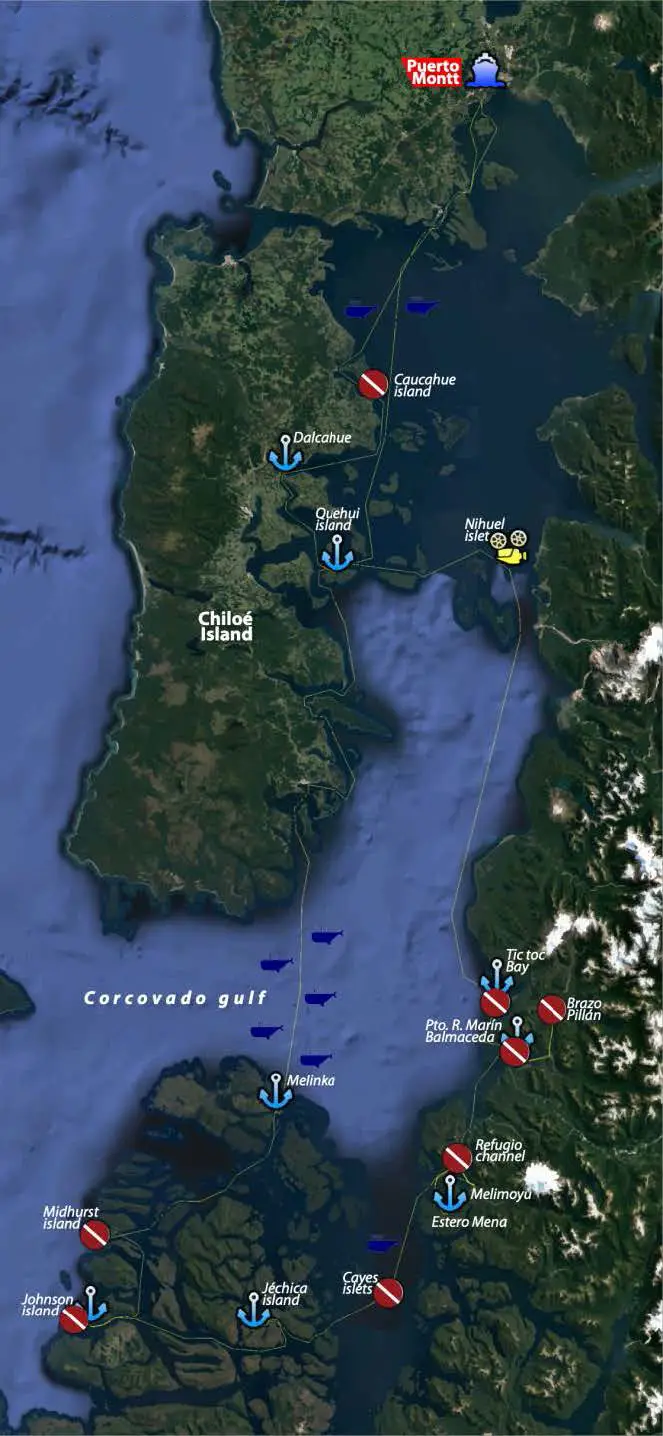
2023 Discovering the Blue Patagonia Expedition route.
2023 Discovering the Blue Patagonia Expedition Route

The Mission Blue expedition to Chilean Patagonia in April of 2023 aimed to spotlight and secure protections for the region’s kelp forests and coastal ecosystems.

Supported by numerous organizations and featuring a diverse team, the expedition traversed Northern Chilean Patagonia’s fjords, documenting marine biodiversity and the impacts of salmon farming.

Encounters with a range of wildlife, including Blue Whales, Chilean Dolphins, and the endangered Darwin’s Frog, underscored the area’s ecological significance. 

The initiative also sought to raise awareness and influence policy, with the Chilean Minister of Environment, Maisa Rojas, expressing commitment to expanding marine protection and inviting Mission Blue to propose areas for conservation in the Chilean ecoregion.

Through the Deep Blue Patagonia campaign, Mission Blue collaborates with domestic partners to expand marine protected areas, safeguard kelp forests, and remove salmon farming from sensitive regions, marking a crucial step in establishing Hope Spots and preserving Chilean Patagonia’s invaluable marine ecosystems.

Knowledge, Connection, and Wonder
Hold the Power
to Drive Change.

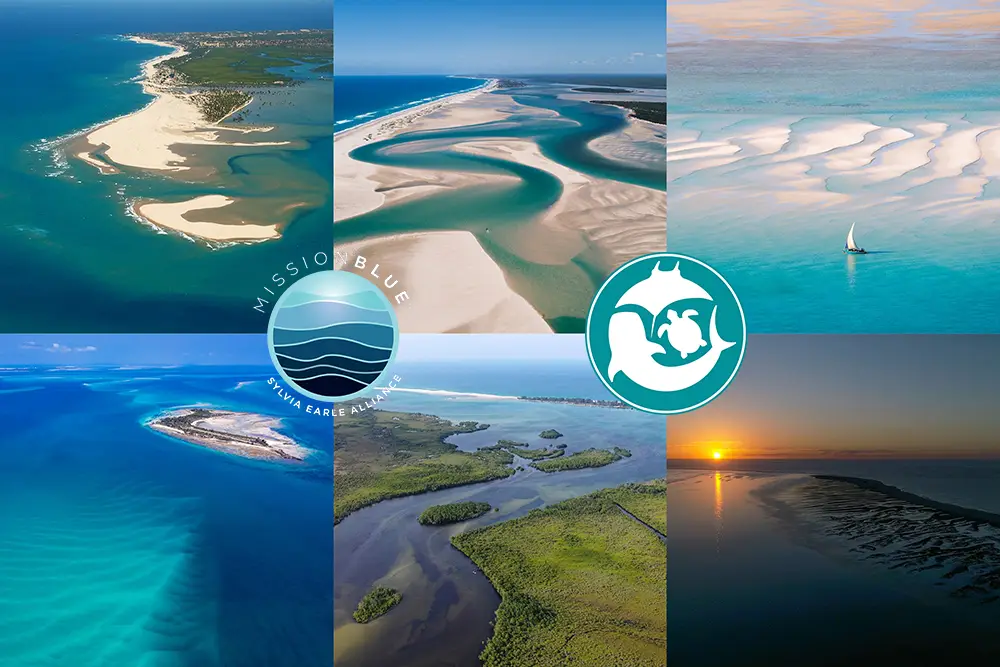
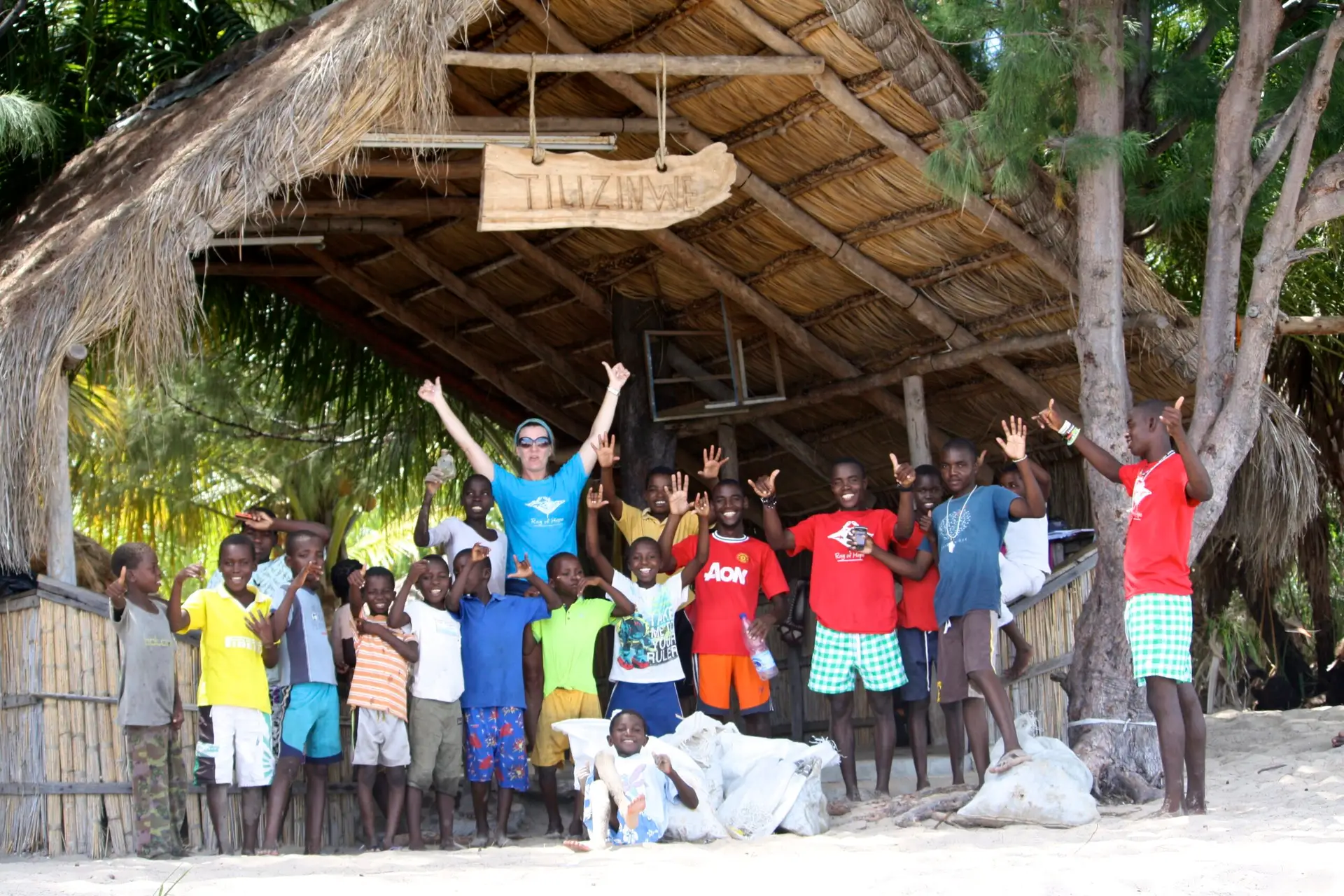
Led by Dr. Sylvia Earle and Mission Blue’s chief scientist, Dr. Tessa Hempson, Mission Blue’s expedition to Mozambique’s Inhambane Seascape Hope Spot, a globally outstanding marine conservation area, highlighted the region’s ecological significance and the pressing threats it faces.

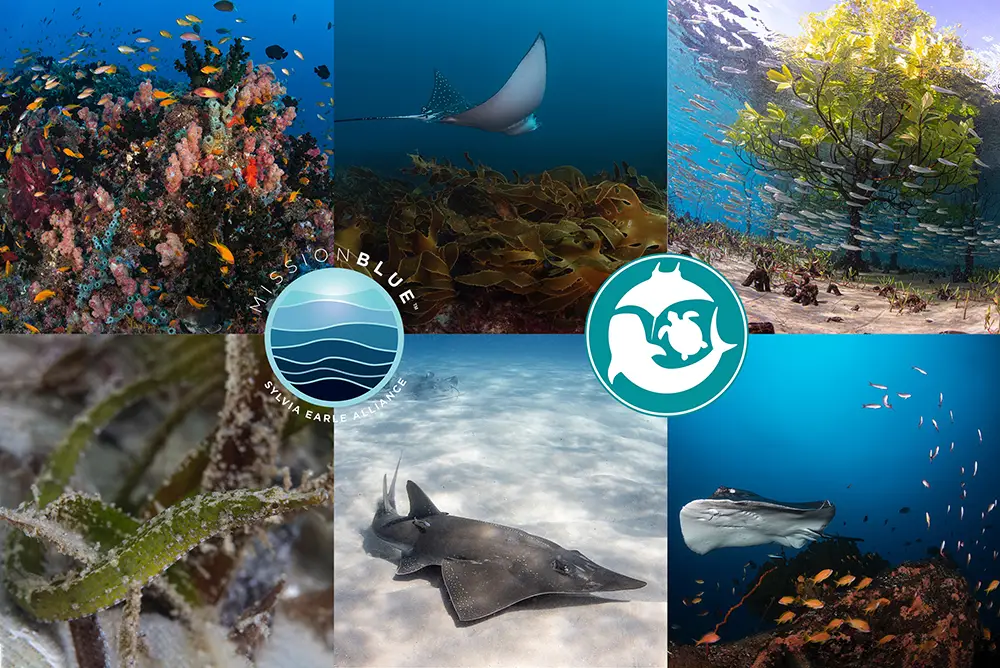
Additional highlights include joining Dr. Andrea Marshall’s team in Mozambique, using drones and acoustics to better understand threatened manta populations while assessing proposed drilling sites. 

The team engaged with diverse marine life, including the last viable Dugong population among other endangered species.

Despite challenges like sand mining and lack of awareness, there’s hope in collaborative efforts among local organizations, conservation authorities, and the community to protect and restore this vital ecosystem.

The data gathered on these expeditions informs policy recommendations while revealing biodiversity treasures that inspire public engagement and urgent habitat protection.

© NUNO SÁ

Sharks are beautiful animals, and if you’re lucky enough to see lots of them, that means you’re in a healthy ocean.

You should be afraid if you are in the ocean and don’t see sharks.

DR. SYLVIA EARLE

Education,
Outreach, and
Community Engagement


Rippling Outward

Mission Blue’s communications, education, and outreach endeavors are central to fulfilling its vision of ocean conservation

Led by Communications Director, Huntley Penniman, the team employs a multi-faceted strategy to inspire action and awareness. 

Huntley Penniman

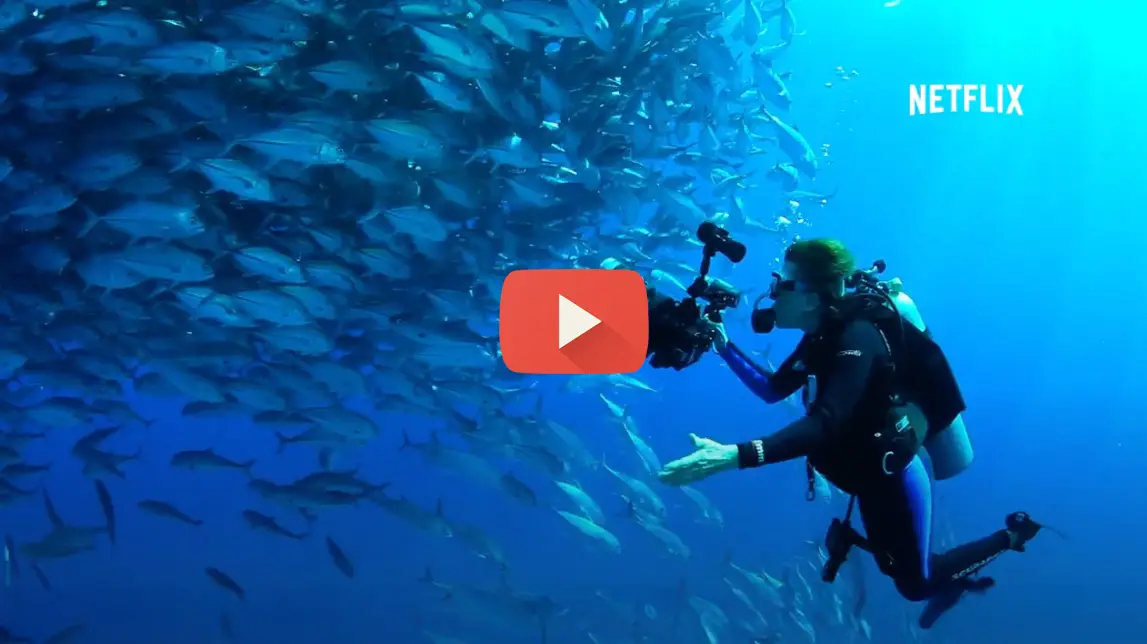
Through captivating documentaries such as the Emmy award-winning Netflix film: Mission Blue, a robust social media presence, and strategic partnerships with science, media, and conservation organizations, Mission Blue amplifies the stories of Hope Spots — specific marine habitats designated as critical to the health of the ocean. 

Their efforts elevate these crucial areas and the individuals working tirelessly to protect them.

Mission Blue understands that communication is the foundation for building a generation of ocean stewards.

Educating and engaging diverse communities remains essential to our mission of motivating ocean protection across cultures.

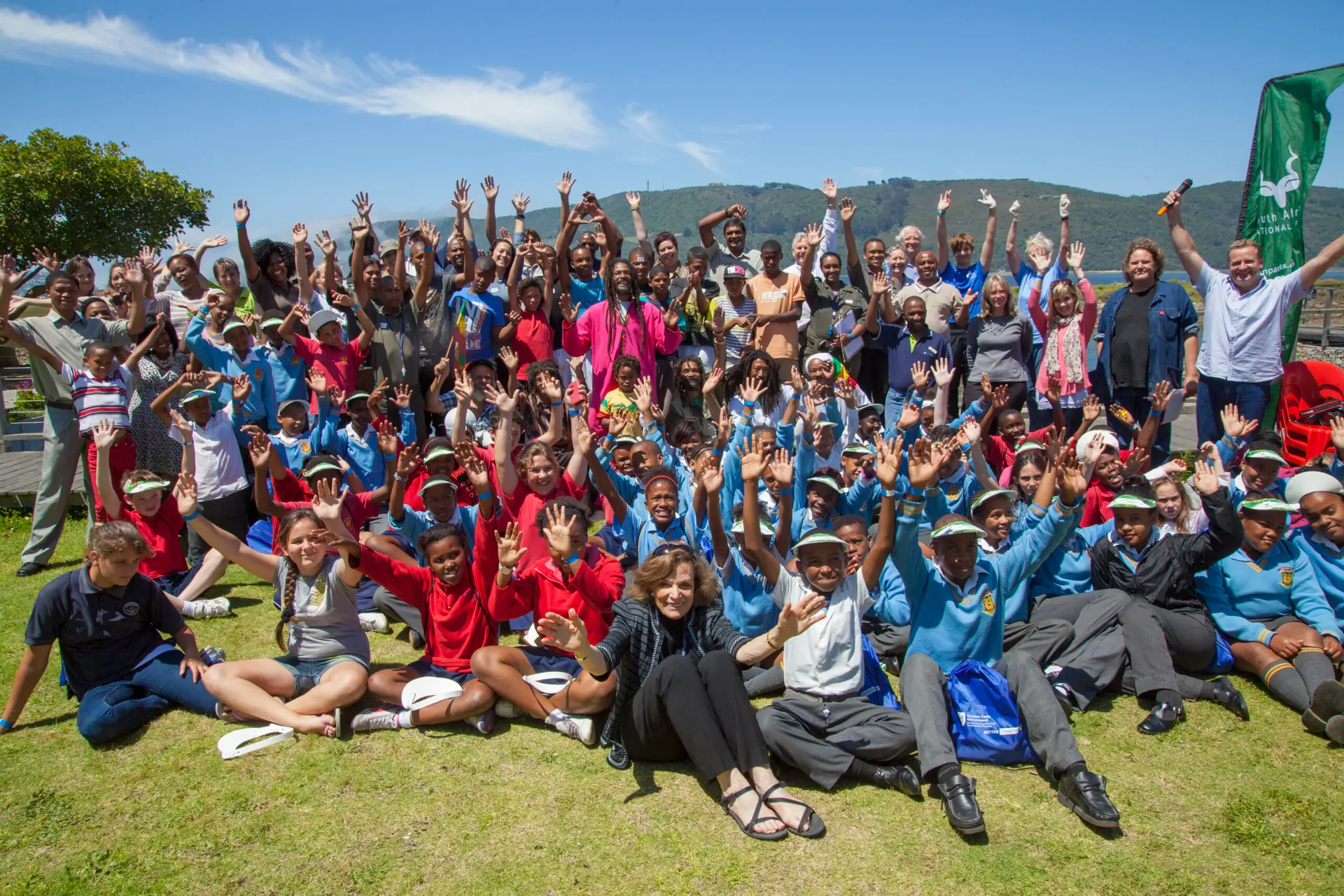
Mission Blue supports Hope Spot Champions as they engage with students and stakeholders through workshops, presentations, and immersive digital resources.
Making Waves
Across Public Channels.

Mission Blue’s outreach continues making waves across public channels.

Our social media posts, campaigns, and documentaries now reach over 1.2 million followers and ocean aficionados annually.

Together these efforts kindle awe, understanding, and commitment rippling outward through communities worldwide.

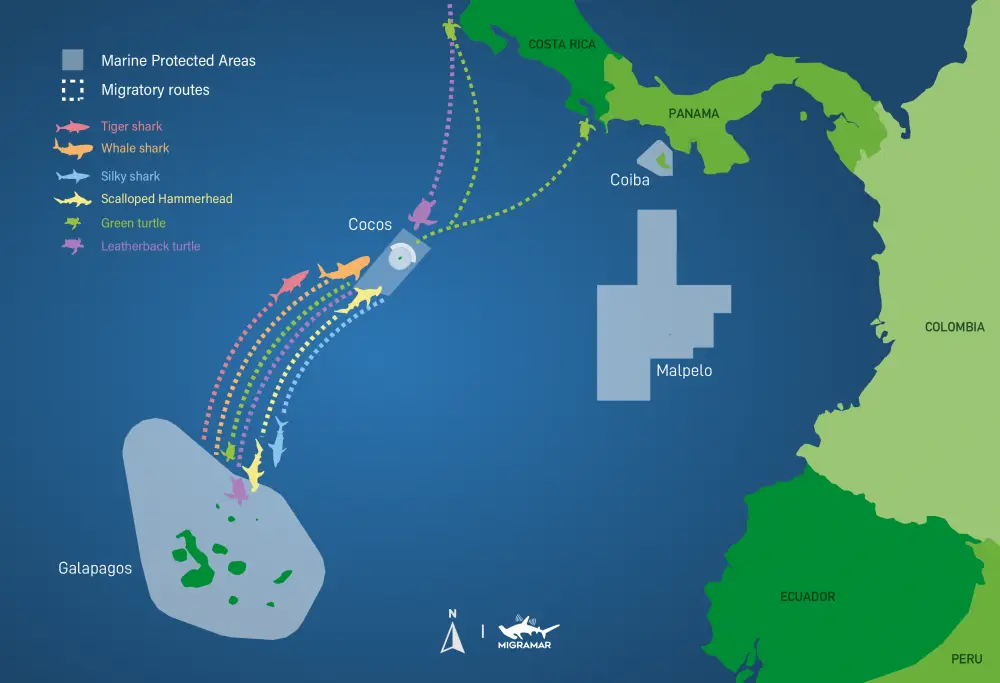
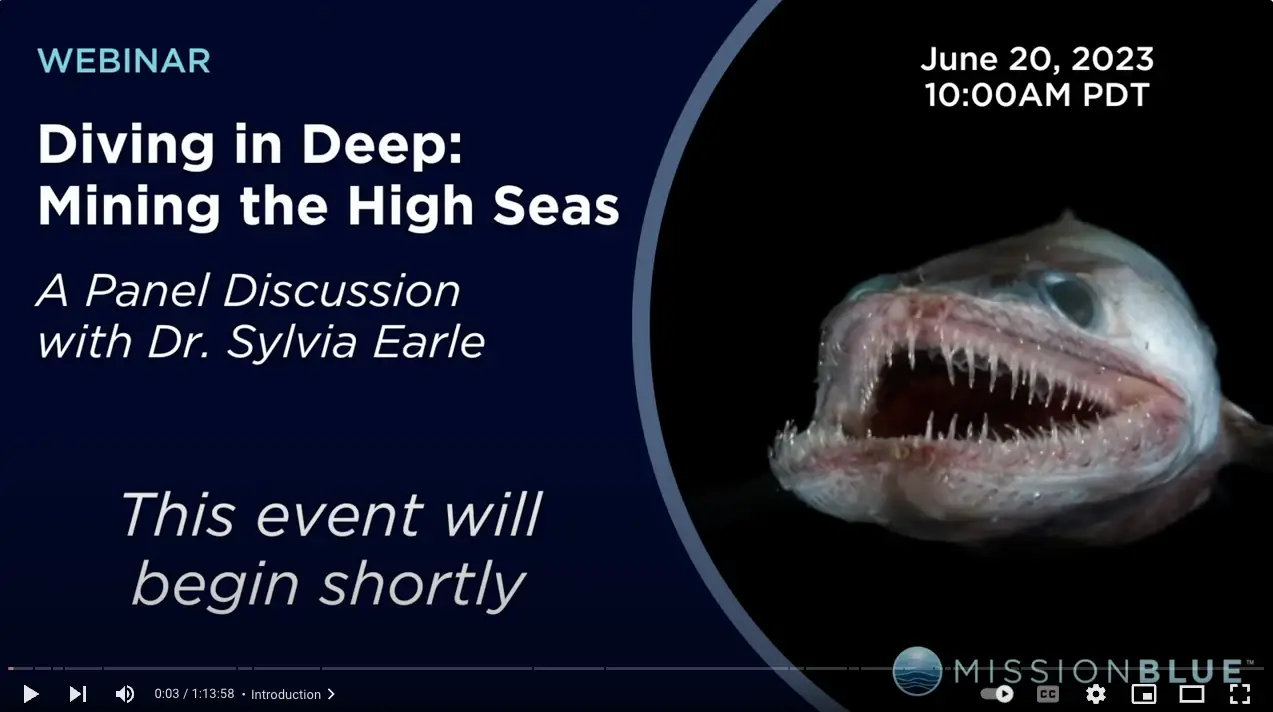
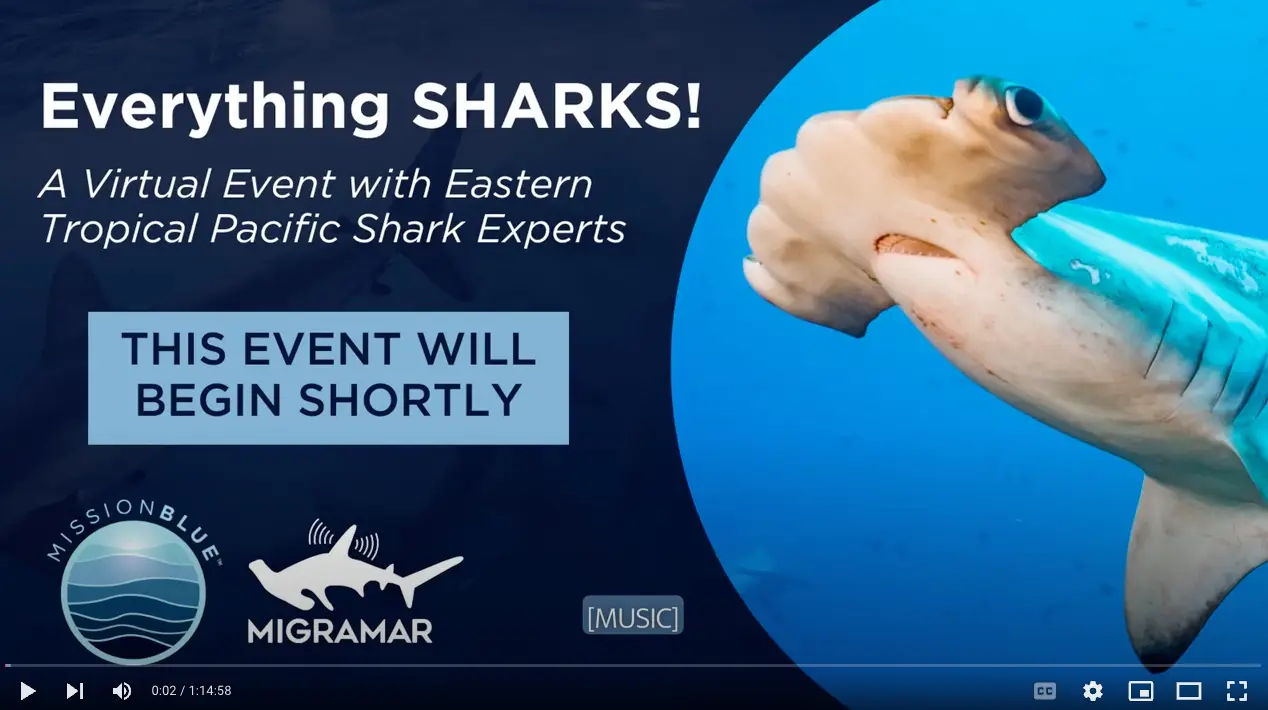
2023 featured webinars featured webinars ranging from Diving in Deep: Mining the High Seas, a panel discussion led by Dr. Earle, to Everything Sharks! — with Eastern Tropical Pacific Shark Experts, Hosted by Mission Blue and MigraMar.

Ocean Aficionados on Social Media
0 million

Grassroots support is the driving force behind political action for a sustainable future.

As citizens, we have the power to become stewards of our environment and ensure that the 30% protection milestone and other conservation efforts are met.

The key to achieving this goal is a shared knowledge and passion passed down from generation to generation. Let’s work together to create a healthier and thriving blue planet for generations to come.
Highlights

© COURTNEY PLATT

With every drop of water you drink, every breath you take, you’re connected to the sea.

No matter where on Earth you live.

DR. SYLVIA EARLE

Partnerships,
Collaborations,
and Donors.


Strength in Unity

From large multinationals to barebones scientific teams, the network unites a spectrum of non-profit, for-profit and public interests under the common goal of restoring the blue heart of the planet through a global network of Hope Spots.

With over 280 partner organizations, Mission Blue is honored to form alliances spanning grassroots NGOs, governments, and corporations.

These partnerships are united by a common goal:

Preservation of Ocean Health

We are deeply grateful for the unwavering support of our distinguished partners, such as Rolex, Pew Bertarelli Ocean Legacy, and the Plum Foundation, among others, whose generosity forms the foundation of our worldwide presence and influence.

By collaborating with the IUCN, the Antarctic and Southern Ocean Coalition and other national and international organizations, we  are helping to achieve crucial policy agreements for safeguarding environments globally. Our alliance with SeaLegacy leverages use of visuals to inspire enthusiasm among the public for the conservation of at-risk species, including sea turtles, whales, sharks and numerous others.

Mission Blue also deepened its partnership with the Polynesian Voyaging Society in support of the Moananuiākea Voyage, a 47-month circumnavigation of the Pacific by traditional Polynesian voyaging canoes Hōkūle‘a and Hikianalia.

Concluding in 2027, the voyage will cover 43,000 nautical miles and reach 36 countries and archipelagoes, nearly 100 indigenous communities and 345 ports.

Our collaborative efforts expand our ability to safeguard the ocean in many ways. Working as a united front, we generate a powerful surge of awareness and proactive initiatives that penetrate various spheres, from halls of government to corporate environments, and educational and scientific institutions.

Mission Blue’s critical work safeguarding ocean health relies on the generous support of donors and partners who share our passion for marine conservation.

Mission Blue’s Advancement Team, Laura Cassiani, Susan Racanelli and Deb Castellana play a vital role in securing the resources needed to fuel our mission.

These contributions manifest as Hope Spots protected, sharks tagged, reefs restored, and much more.
In 2024, Rolex’s enduring support as a core partner propelled Mission Blue’s global impact through the ‘Perpetual Planet’ initiative with powerful storytelling, and a shared commitment to ocean conservation.

With heartfelt gratitude, we thank Rolex for a decade of unparalleled support and steadfast partnership in our mission to save the ocean planet.

Rolex’s far-reaching sponsorship continues accelerating impact across our programs, from expeditions to policy events.
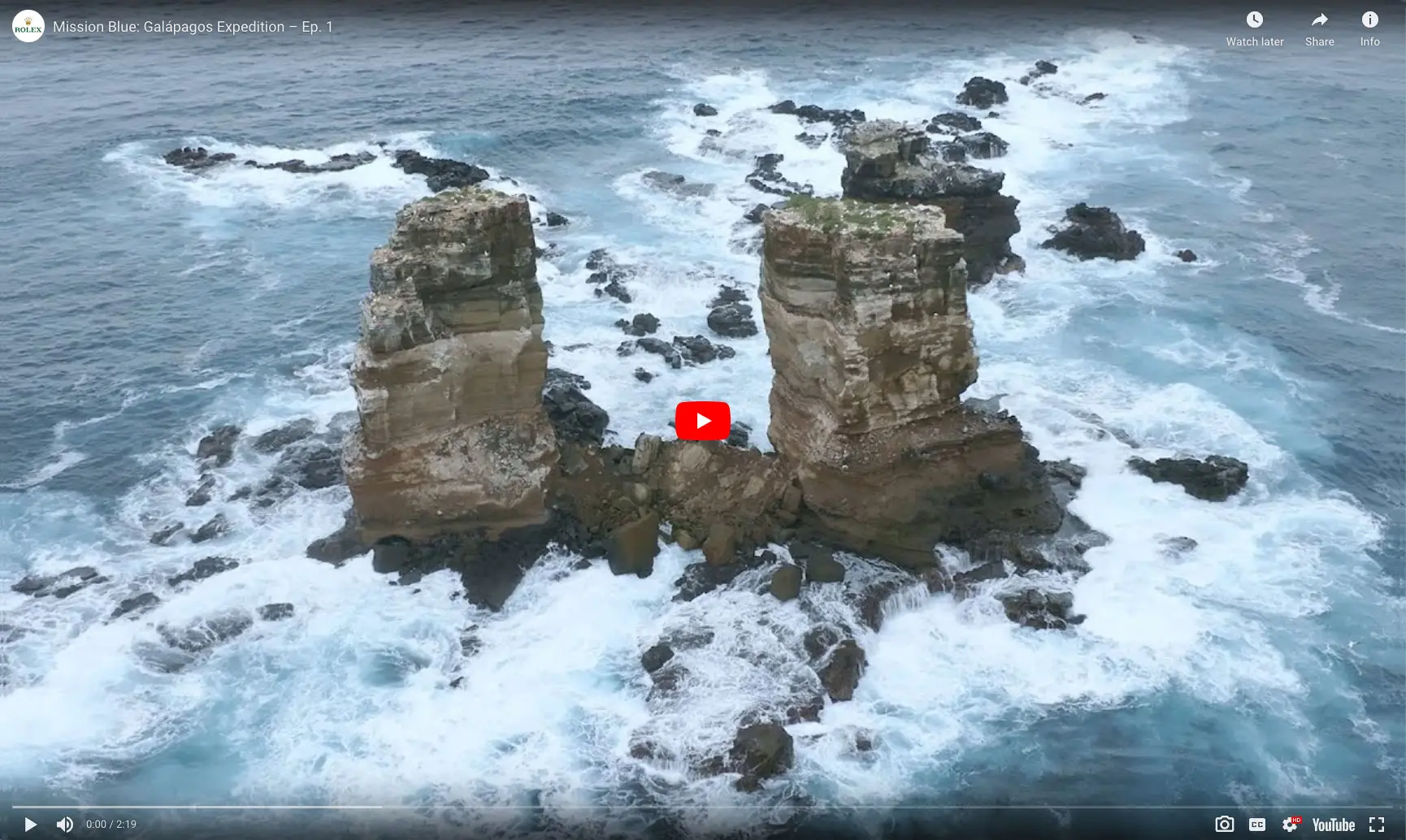
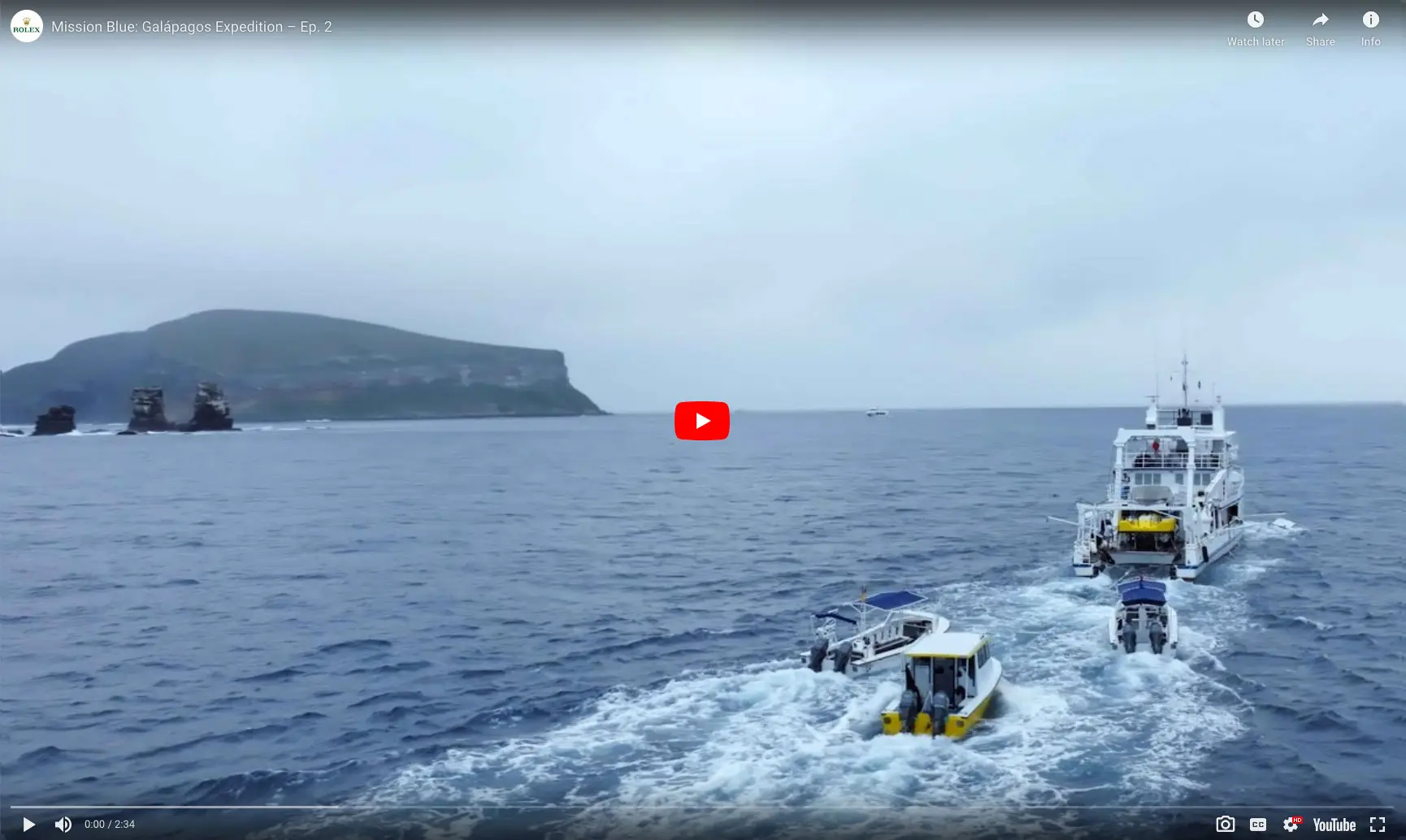
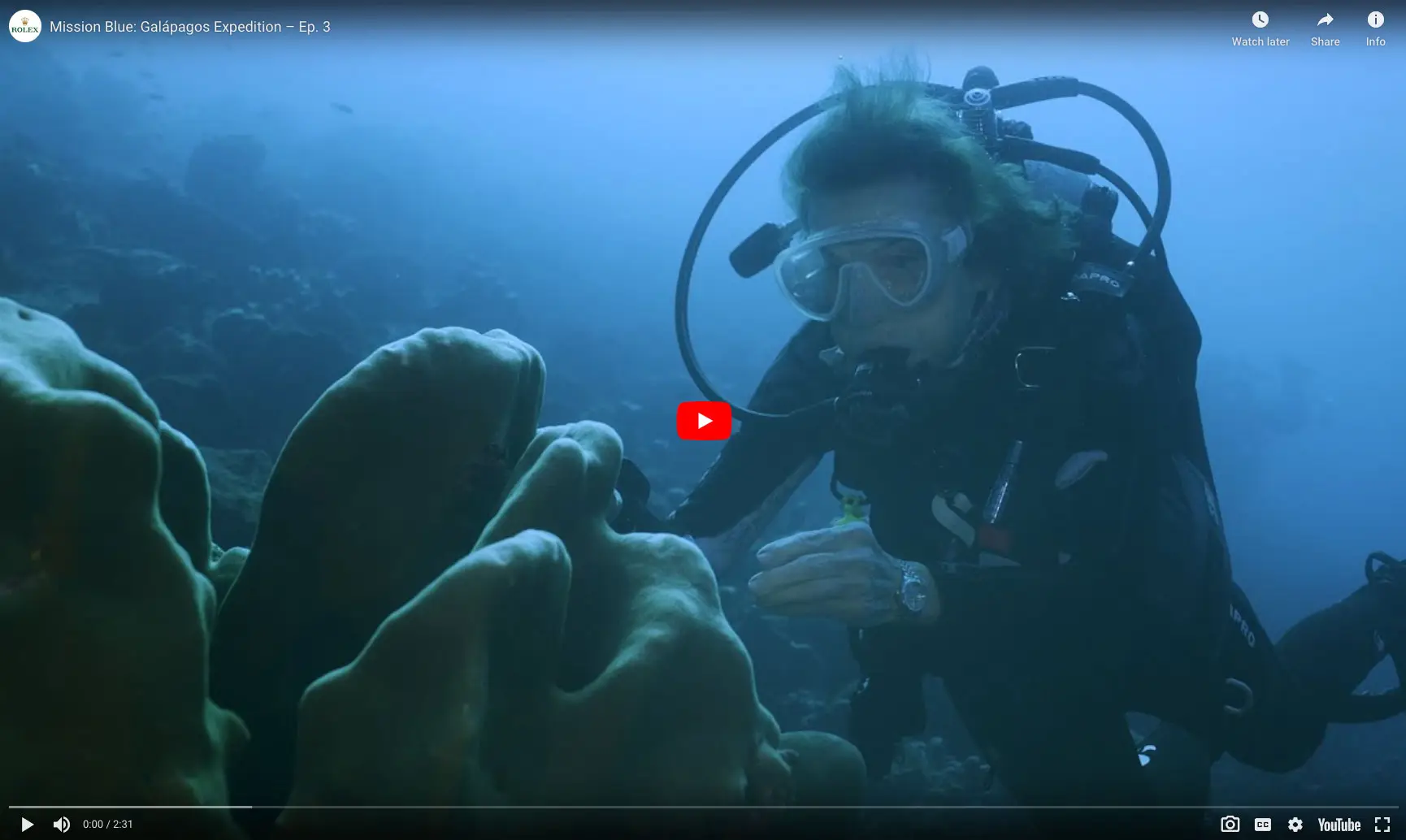
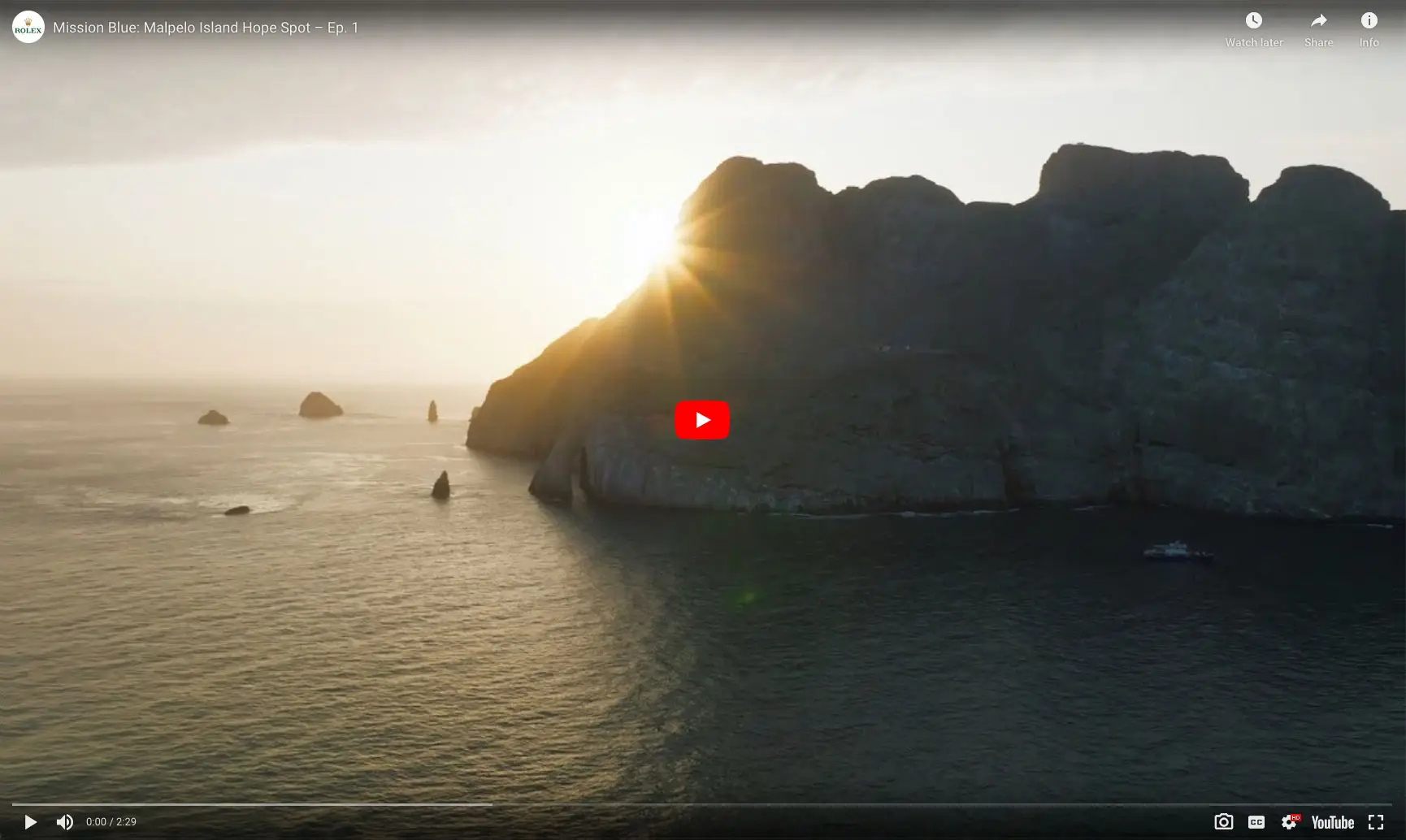
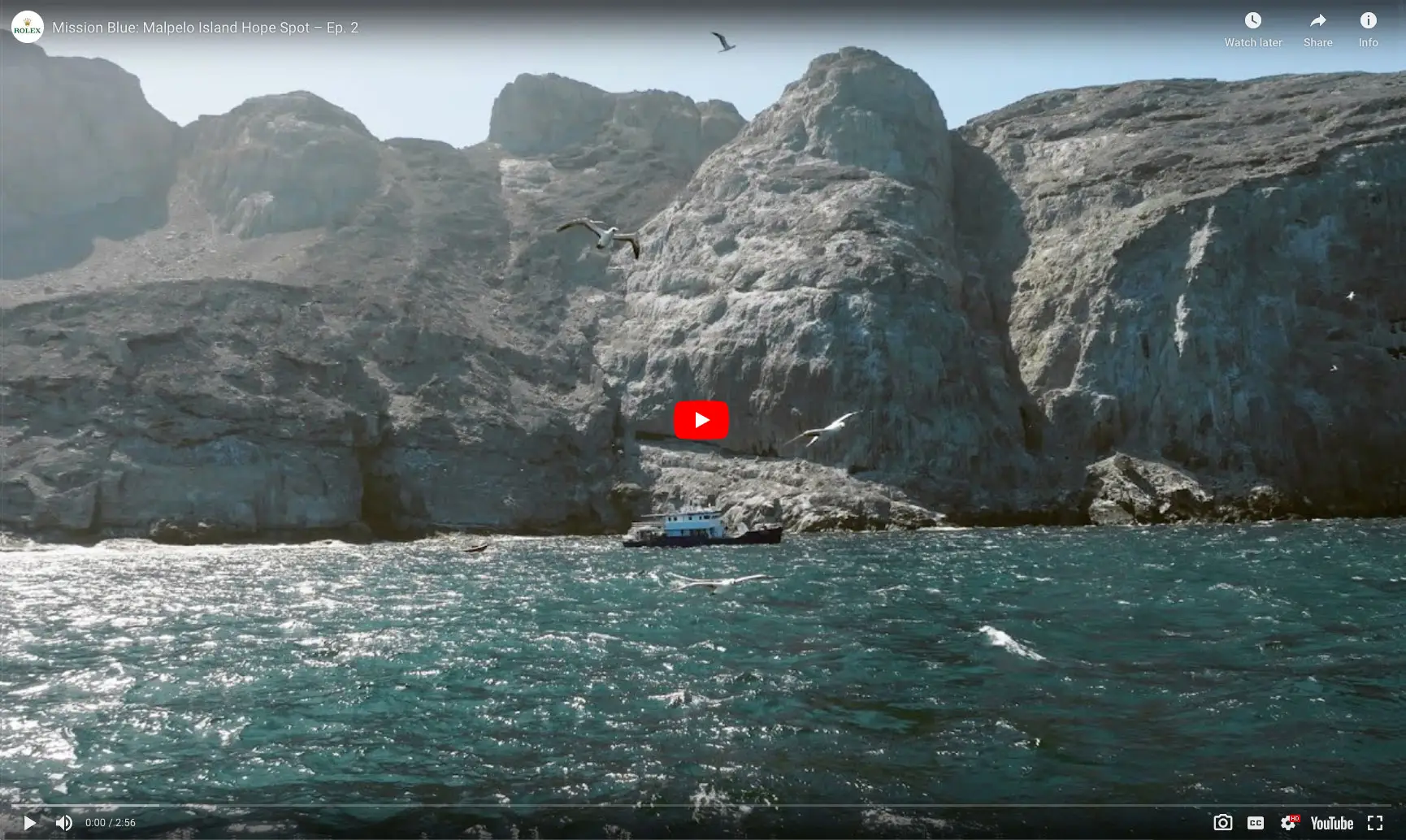
Rolex’s Perpetual Planet campaign conveys the beauty and fragility of special habitats like the Galápagos Islands Hope Spot or the Malpelo Island Hope Spot to engaged audiences worldwide.


Media Highlights:

Rolex Galápagos Episode 1
Rolex Galápagos Episode 2
Rolex Galápagos Episode 3
Rolex Malpelo Episode 1
Rolex Malpelo Episode 2

2024 Rolex Grantee Hope Spot Progress:

  • The Kep Archipelago Hope Spot in Cambodia has seen remarkable progress thanks to the tireless efforts of Marine Conservation Cambodia (MCC). With support from Rolex, MCC expanded seagrass meadows using innovative anti-trawling structures. They have documented the return of Dugongs, previously thought regionally extinct. Extensive community surveys and capacity building for Khmer scientists have strengthened local stewardship. MCC also conducted vital transboundary conservation studies and habitat mapping using advanced drone technologies. Their inspiring work gives great hope that the Kep Archipelago’s ecosystems will continue flourishing.
  • The Nusa Penida Hope Spot in Indonesia exemplifies tourism management done right. Rolex grantee Coral Triangle Center has spearheaded carrying capacity studies and stakeholder workshops to mitigate damage at popular marine tourism sites. By developing localized monitoring protocols and realistic visitor limits, they are establishing a sustainable model for other MPAs nationwide. Empowered local communities now serve as guardians for Nusa Penida’s coral reefs, ensuring resilience against mounting pressures. CTC’s collaborative approach, enabled by Rolex, is driving a blue renaissance for Indonesia’s marine environments.
  • The Exmouth Gulf and Ningaloo Coast World Heritage Area Hope Spot in Australia is receiving increased support and attention from local communities to international NGOs working to advance conservation and protection. In 2021 the Government of Western Australia announced a commitment to implement a spatial management plan for a new Marine Park in Exmouth Gulf. Hope Spot Champion, Dr. Ben Fitzpatrick with Oceanwise Australia has embarked on scientific research expeditions to gather data that is being used to inform the marine spatial planning process. This critical work will contribute to the implementation of the marine park.
Kelp Forest
Kelp Forest

In 2024, the Plum Foundation’s support was instrumental in advancing our efforts to protect the vibrant coastal ecosystems of Chile.

Their funding laid the groundwork for expanded protections, allowing us to consult with experts, prepare comprehensive reports, and build a strong case for conservation. 

Additionally, the Plum Foundation’s investment in our Global Kelp Initiative has been crucial in our work to preserve these essential carbon-sequestering habitats.

Thanks to their support, we have been able to fund scientists working in Hope Spots to identify priority zones for safeguarding and develop strategies to protect these vital ecosystems.

The Plum Foundation’s commitment to our mission extends beyond specific projects. Their support for our organizational infrastructure and operations has been essential in amplifying the impact of our conservation efforts.

Thanks to their generosity, we have been able to strengthen our communications capacity, enabling us to reach millions of people with our message of hope and action.

Thanks to donors, partners, and the community for their support and contributions. Special thanks to our Blue Circle members for your unwavering support.

Mission Blue owes profound appreciation to the many exceptional Partners, Donors, Volunteers, and Advocates who empower our shared voyage toward restored ocean health. Financial backing translates directly into outcomes like these making a real difference for our ocean’s threatened wildlife.

Whether contributions are large or small, every donor helps construct our shared foundation supporting a healthy ocean where marine wildlife can thrive safeguarded.

With appreciation and gratitude, we send ripples of hope outwards, as each gift brings us closer to our shared goal of 30% protected ocean by 2030.

Plum Foundation

Wyss Foundation

The Hayes Foundation

Wanderlust Foundation

Turner Foundation

© JOHN WELLER

If the sea is sick, we’ll feel it.

If it dies, we die.

Our future and the state of the oceans are one.

DR. SYLVIA EARLE

Financial
Report


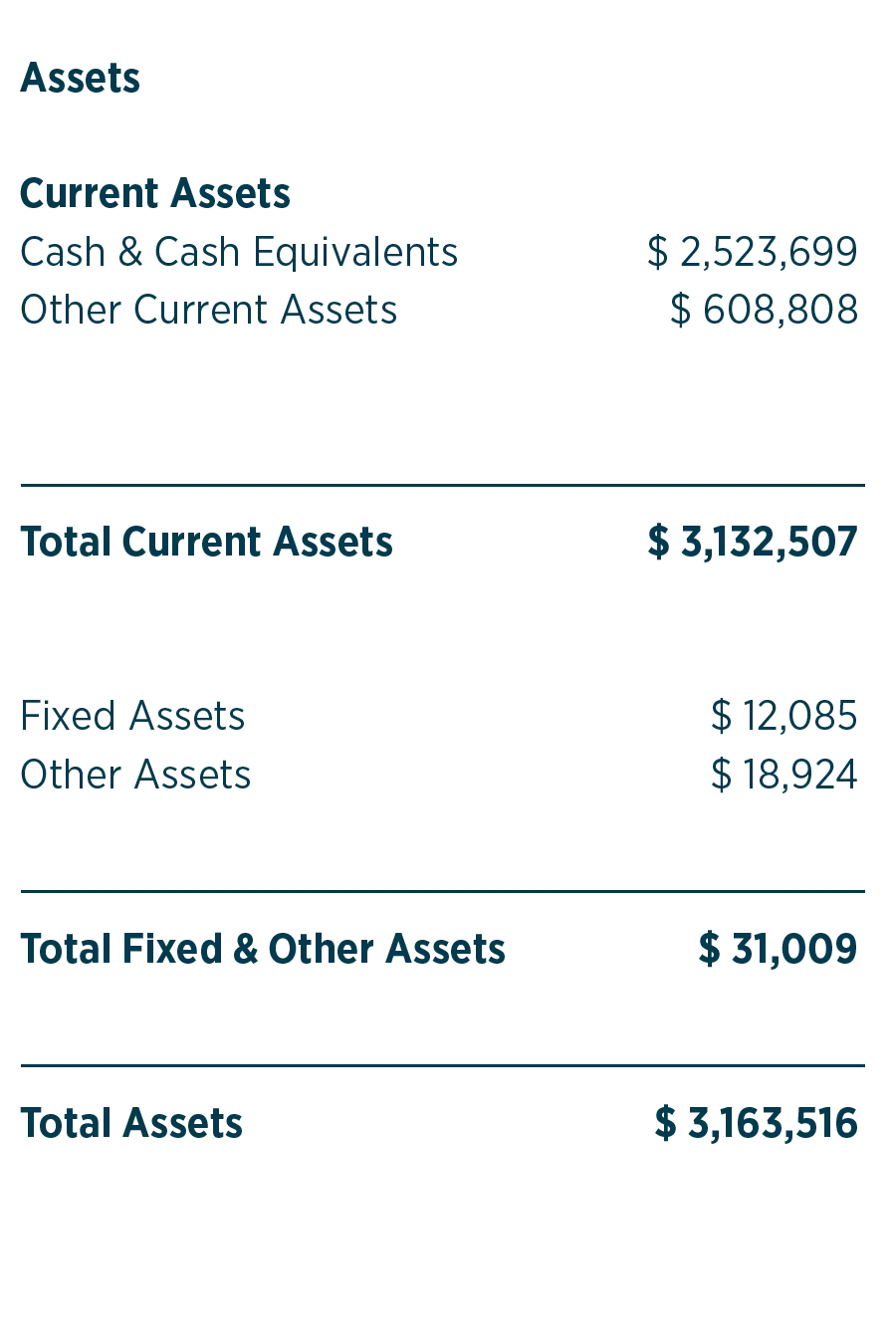
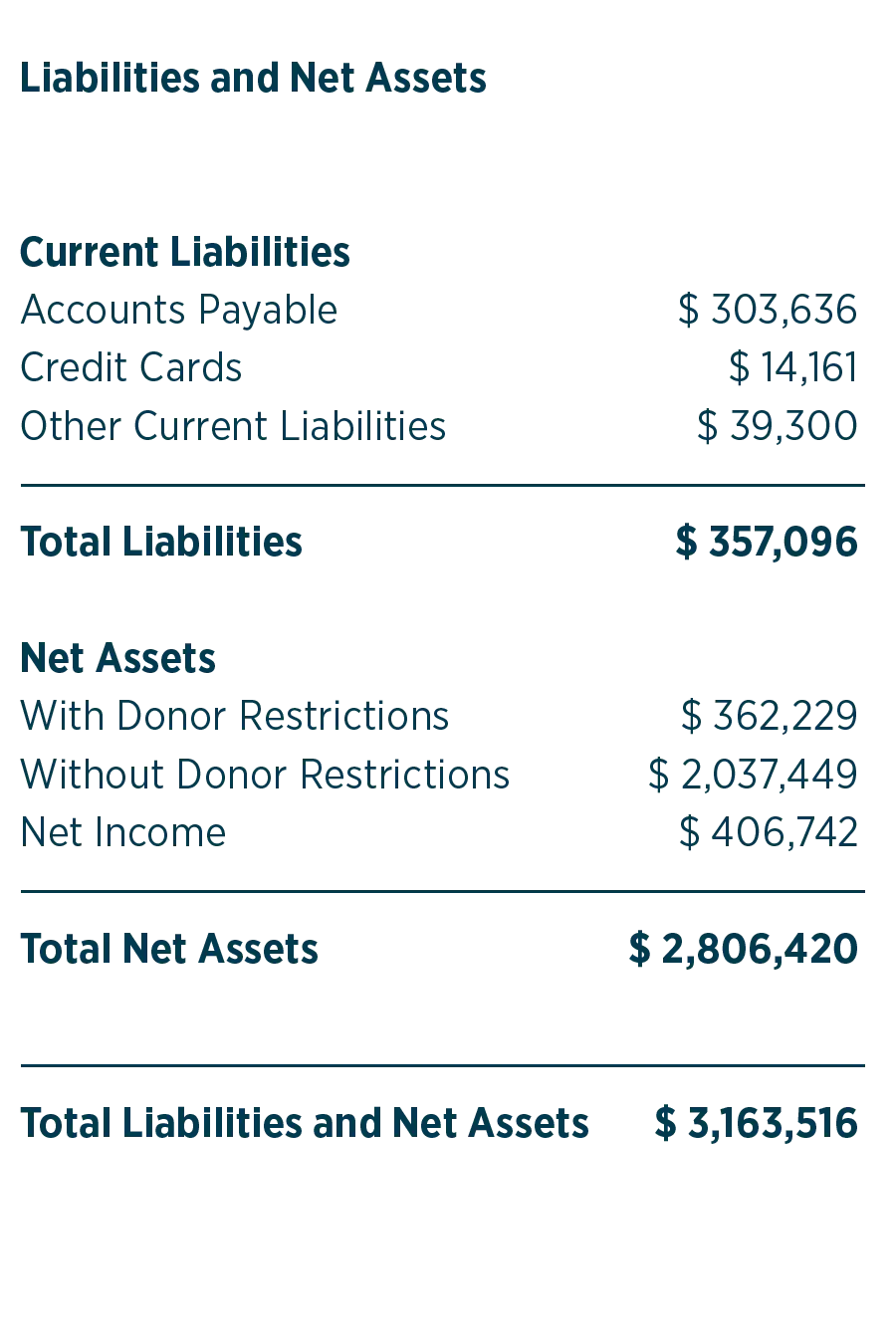
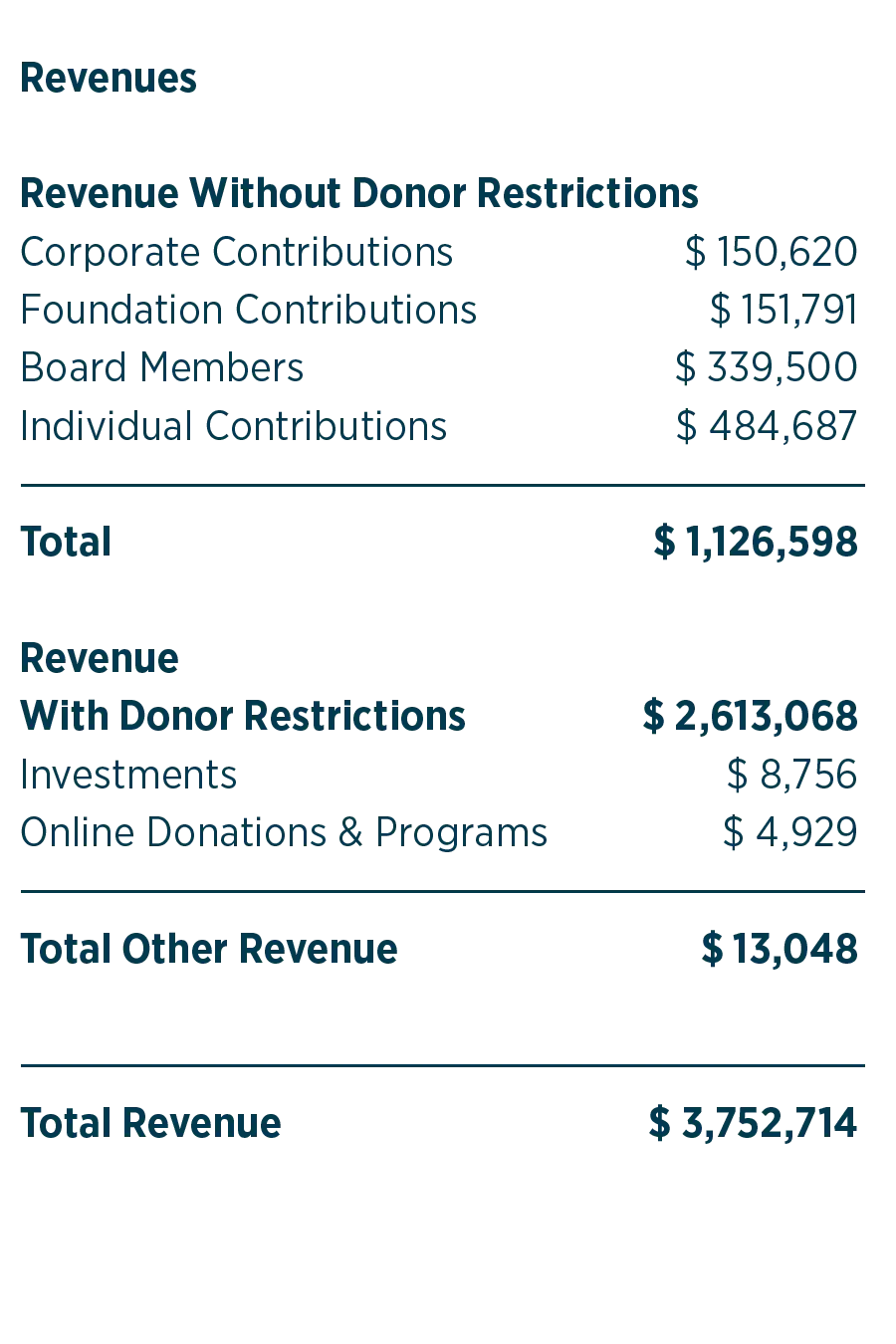
Financial Summary

Mission Blue Financials are available here ›

Note: Reports are unaudited financials.


© BRYCE GROARK

Our past, our present, and whatever remains of our future absolutely depend on what we do now.

DR. SYLVIA EARLE

Board and Staff


Board of Directors

Emeritus

Jenifer Austin · Gigi Brisson · Meg Caldwell · Patty Elkus · Linda Glover · Erik Gordon · Daryl Hannah · John Hanke · Michael Holland · Ann Hurley · Sharon Kwok · Dan Laffoley · Carl Gustaf Lundin · Ann K. Luskey · Greg MacGillivray · Robert Nixon · Jim Toomey · Will Travis

Mission Blue Staff

© FRANCIS PEREZ

Every time I slip into the ocean, it’s like going home.

DR. SYLVIA EARLE